
Accessible Travel Guide to Detroit, Michigan
Detroit has changed a lot over the years. In the best ways possible. Major investments and initiatives have not only brought more tourism, but accessibility has vastly improved. The revitalized downtown area is easier to move through, the Riverwalk is smooth and scenic, and major attractions like museums and cultural centers are set up in ways that work well for wheelchair users. The cultural attractions are also just incredible to visit.
At the same time, the city still has the personality people love: music, food, community pride, and a creative energy that shows up in neighborhoods all over the metro area. Detroit feels lived-in and welcoming in all the best ways.
This guide walks you through the best times to visit, accessible places to stay, things to do, neighborhoods worth exploring, and tips for getting around with confidence.
What's Ahead?

Best Time to Visit and Accessibility
Detroit is easy to enjoy most of the year, but spring, summer, and fall are the most comfortable for getting around. Spring and Fall bring more moderate temperatures, while Summers can be quite warm (but not too hot). Winters can be fairly frigid with temperatures well below freezing.
Warm days make the Riverwalk, Belle Isle, and outdoor festivals a lot more fun, and the city feels busy in a good way without being overwhelming.
From an accessibility standpoint, Detroit has made real progress. Downtown is much smoother than it used to be, with wide sidewalks, curb cuts, and crossings that actually line up. The Riverwalk is one of the most accessible places in the city — long, scenic, and well-maintained. Major museums like the Detroit Institute of Arts, Charles H. Wright Museum, Motown Museum, and The Henry Ford are all set up with accessible entrances, interior elevators, and restrooms, so you’re not guessing before you arrive.
The QLine and People Mover are both accessible and helpful if you want to avoid long pushes between downtown neighborhoods. Rideshare WAVs exist, but availability can vary, so having a backup plan is smart.
Overall, Detroit is a city that’s getting easier to move through every year, and visiting during the busier seasons gives you the best mix of weather, food, and cultural events.
Where to Stay
You have many different areas to stay in Detroit, and each has it's unique feel and offerings. Depending on what you want to do, see, eat or drink, could determine your choice. Here are some of the top areas to put on your radar.
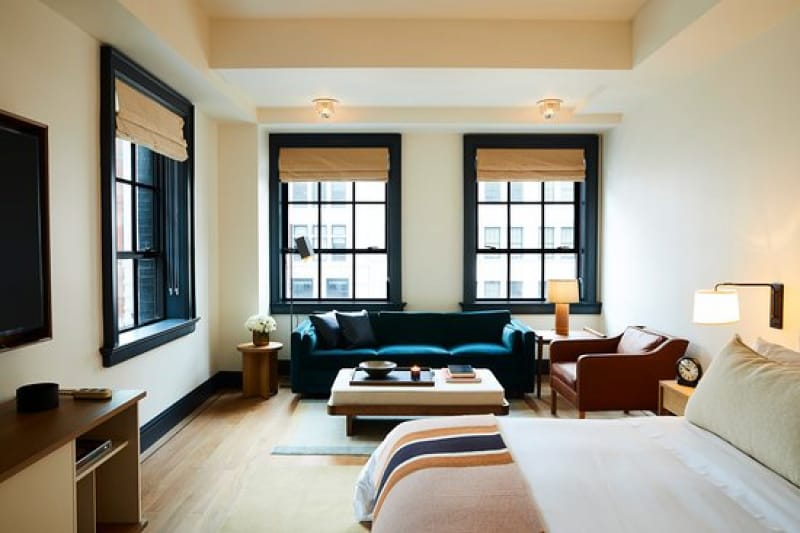
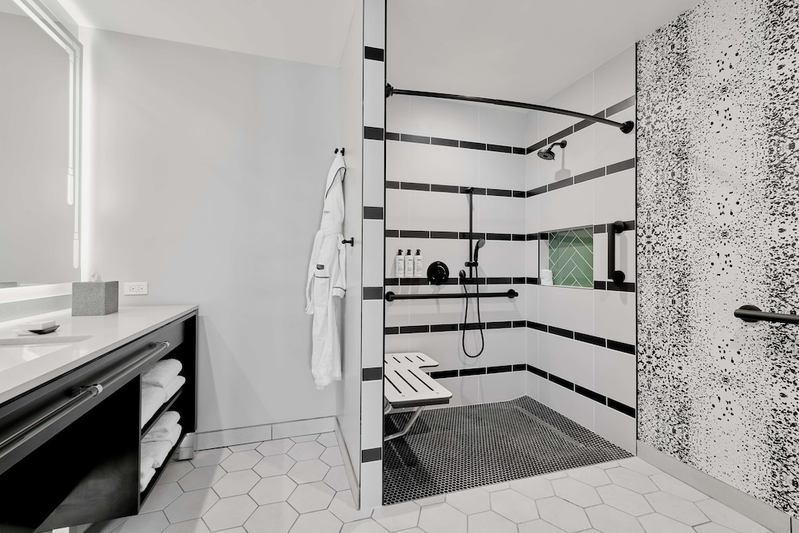
The heart of downtown is the most convenient and accessible part of Detroit where you'll be close to the Detroit Riverwalk, the stadiums, museums and plenty of bars and restaurants. The Shinola Hotel is considered to be once of the nicest hotels in the city. It sits inside a group of restored historic buildings, so the architecture has this old-Detroit character, but the interiors feel warm, modern, and really well-designed. It is also nice and accessible with spacious rooms, roll-in showers, and excellent service. They have five unique restaurant and bar options as well, among other top-notch amenities. The Detroit Foundation Hotel is a solid option with roll-in showers, grab bars and plenty of turning space. It also has a classy onsite dining and bar with menus that fit any time of day.
Corktown has a different feel than downtown. It's older, a little artsy, and full of good food and local spots. It’s close enough to the main attractions that you’re never far from anything, but it still feels like its own neighborhood. If you want somewhere modern with a bit of personality, The Godfrey is a great option. The rooms are spacious and they have roll-in showers and space under the bed for a Hoyer lift. The rooftop bar is a nice bonus where you can relax after a day of sightseeing.
Dearborn is another smart place to stay, especially if you plan on visiting The Henry Ford Museum, Greenfield Village, or the Ford Rouge Factory Tour. It cuts your travel time way down, and the food scene here, especially for Middle Eastern cuisine, is unbelievable. The Dearborn Inn is prime option in this area. It has that old-school charm while still being very accessible
Accessible Things to Do in Detroit
Detroit has such a stable mix of cultural, historical, and outdoor things to do (and don't forget about the food scene, too) that it can really satisfy no matter what type of traveler you are. And you'll find more than manageable accessibility throughout. Here are some top things to put on your radar:
The Riverwalk and Dequindre Cut
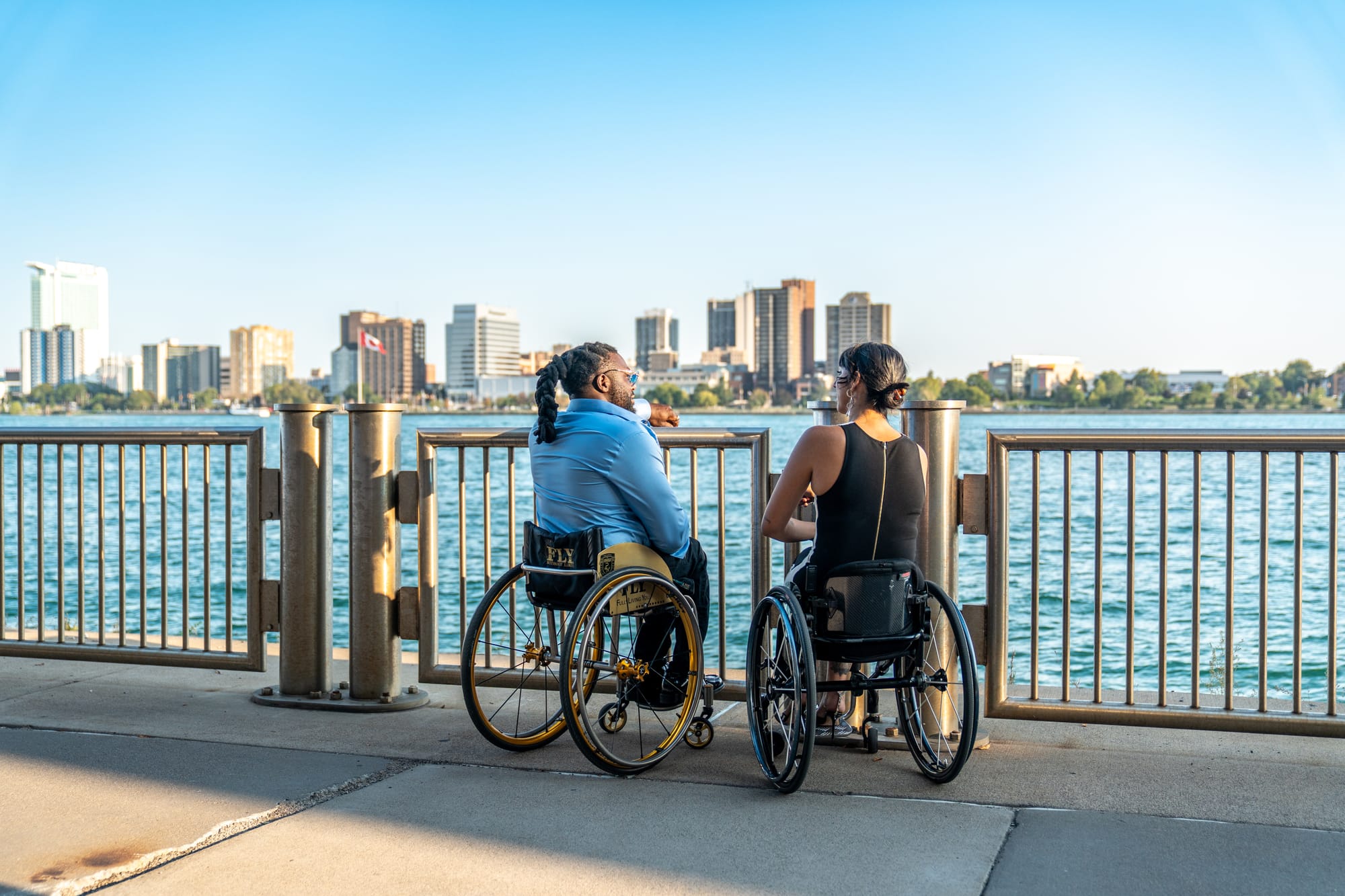
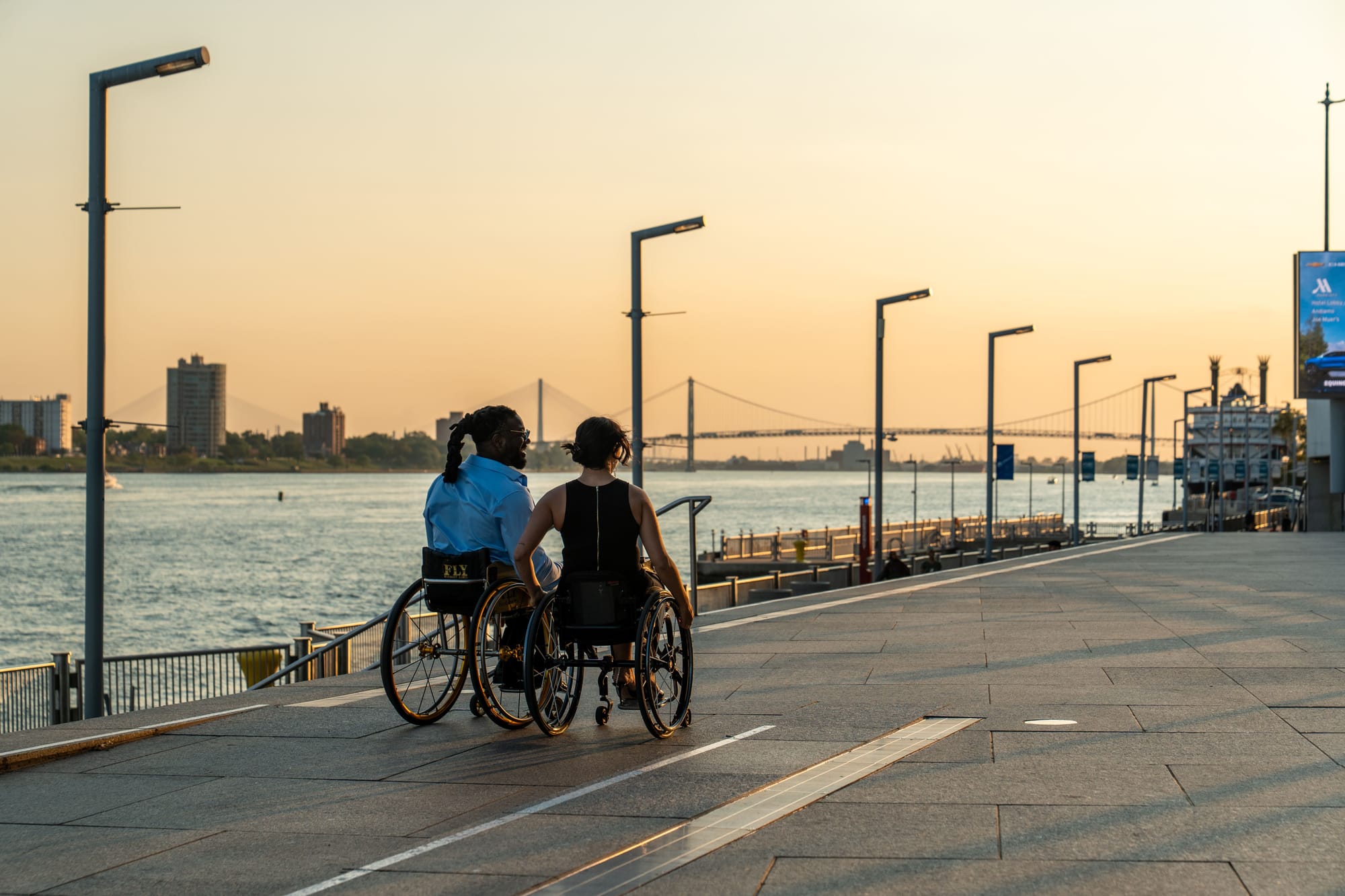
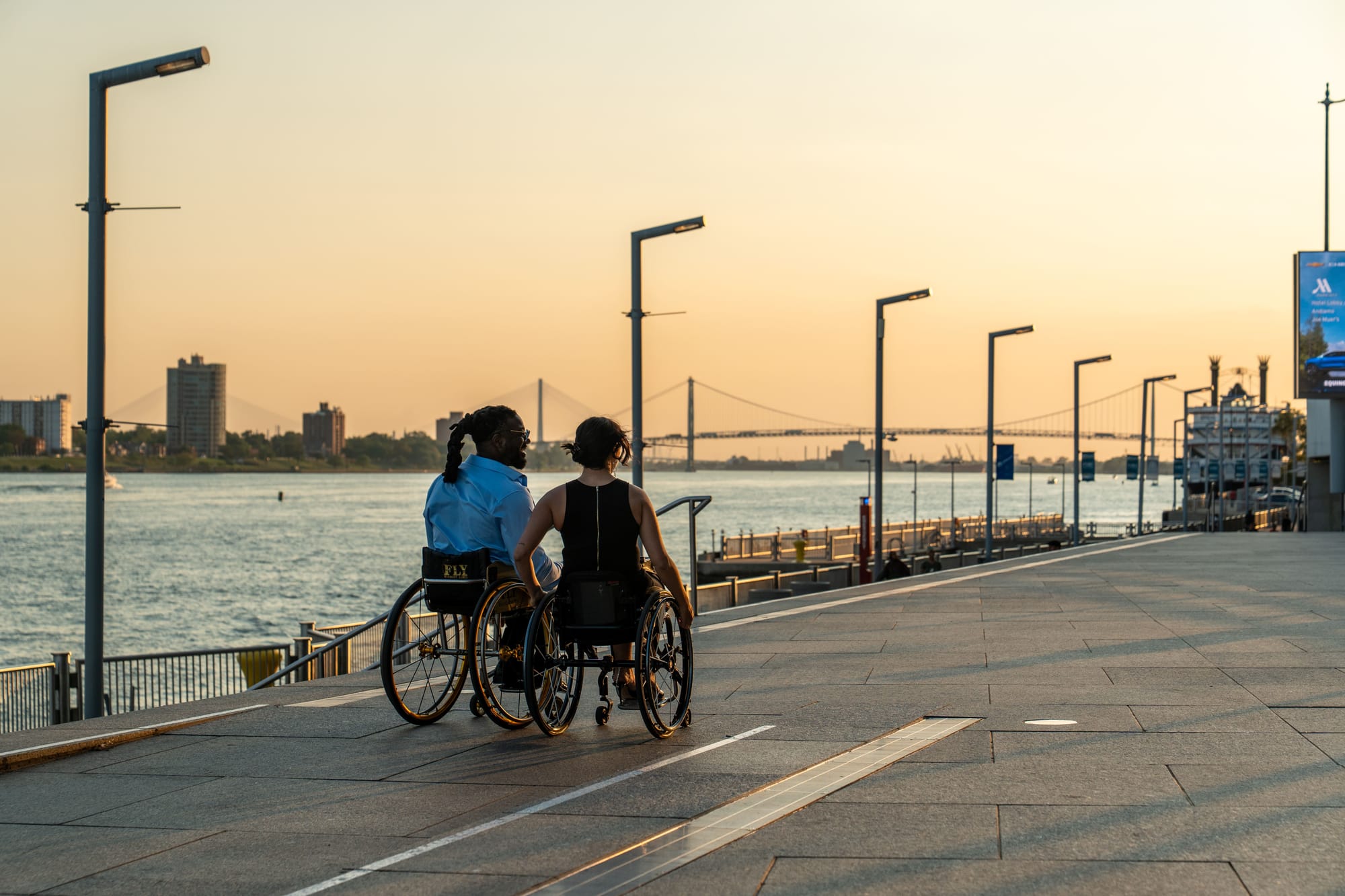
If you had limited time in the city, make the Detroit Riverwalk a priority. It runs roughly 3.5 miles along the Detroit River, stretching from Hart Plaza toward the bridge to Belle Isle. It’s smooth, wide, and built in a way that lets wheelchair users move comfortably without having to dodge cracks or random barriers. You'll be able to take in the scenery (like the skyline and Canada right across the water), run into green spaces, places to eat, public art and more. It's a great way to get a feel for the city and snap some photos (especially at sunset) if that is your thing.
It also connects to Dequindre Cut, which is another accessible path full of murals and street art.
The Henry Ford Museum of American Innovation
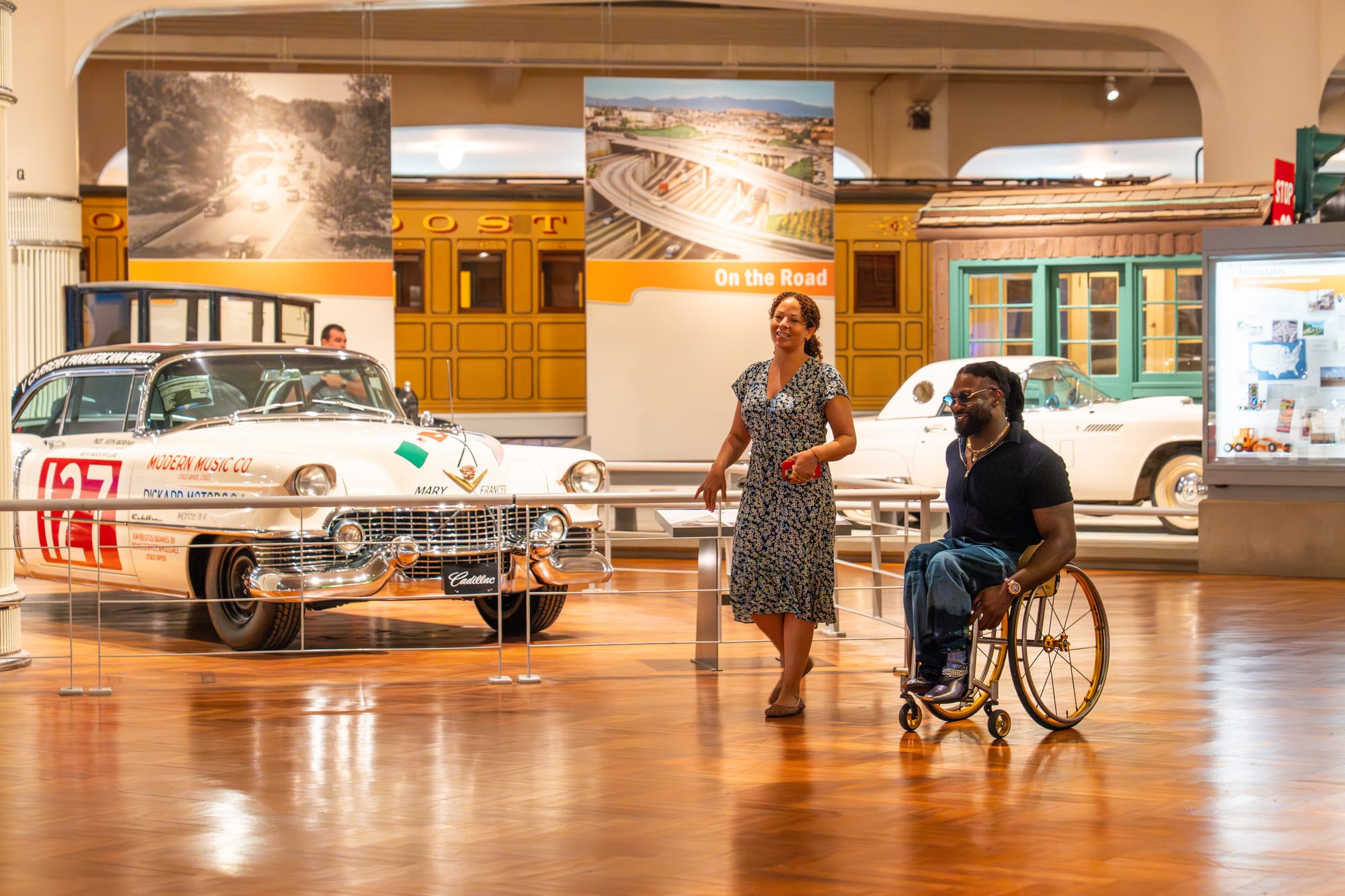
If you’re into history, cars, or honestly just cool stuff in general, The Henry Ford Museum is an easy win. You’ll see everything from historic vehicles to civil rights exhibits to tech innovations that shaped everyday life. It’s the kind of museum where you walk (or roll) in thinking you’ll stay an hour and suddenly it’s been three. If you want the full experience, you can also check out Greenfield Village next door, but keep in mind that it’s outdoors, spread out, and not everything there is accessible.
It’s extremely accessible with step-free entrances, plenty of space, and there are several accessible restrooms on the premises. All exhibits viewable from a wheelchair with a few exceptions:
- Interior of the Allegheny Locomotive cab (stairs, but there’s a virtual tour nearby)
- Interior of the Sperry–New Holland Combine cab (stairs)
- Interior of the Rosa Parks Bus (stairs; you can still view the bus from the outside)
- Dymaxion House interior (narrow doorway)
They also offer a range of services for guests who are hard of hearing or blind. To view all disability information and services, check out their official website.
Belle Isle Park
This is Detroits island. Sitting about a 10–12 minute drive from downtown, and it’s one of the best spots to see a bunch of things in one place without needing to cover long distances. Many of the attractions here are free, too!
The Belle Isle Conservatory, Dossin Great Lakes Museum, and Belle Isle Aquarium and are all next to each other. The Conservatory is step-free and simple to navigate, the Aquarium is small and accessible, and the Dossin Museum has wide paths and good river views inside and out.
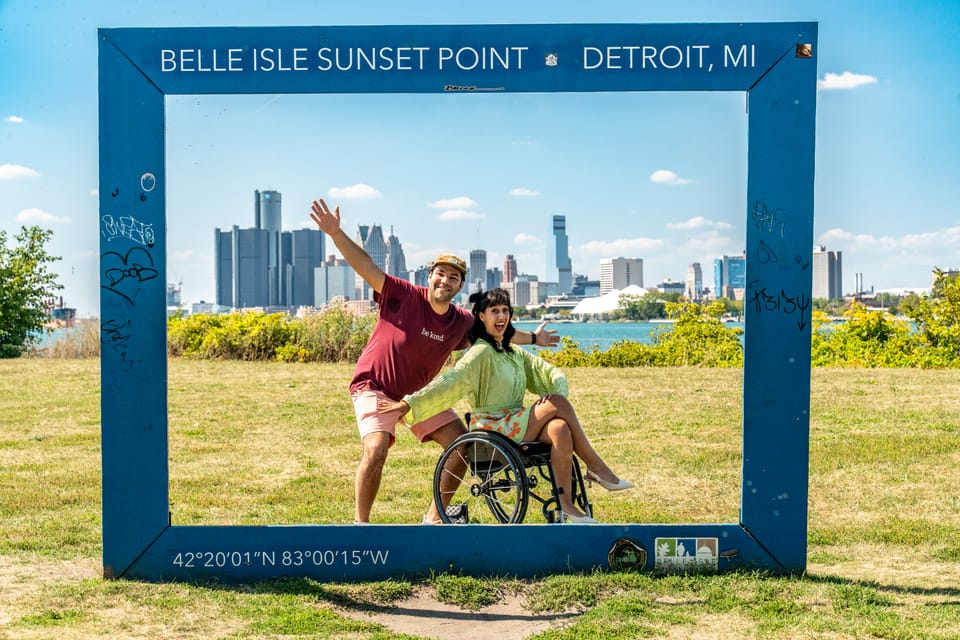
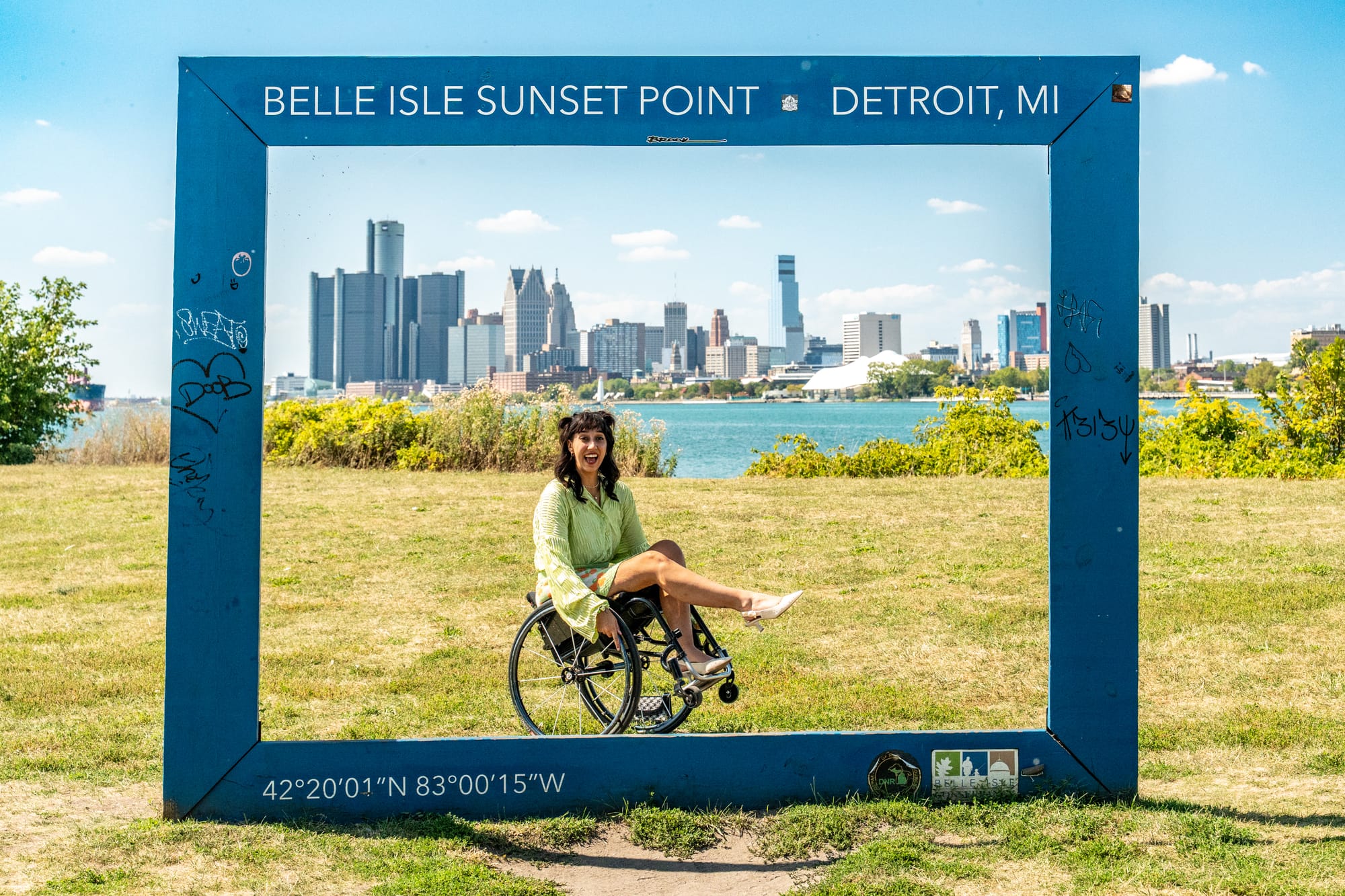
If you want more of the outdoors, you can roll or drive to different pull-off spots along the water. Sunset Point is a popular stop if you want a clear skyline view of downtown. You’ll also get a clear view of Canada from several spots around the island. It’s right across the river, so if the weather’s good, it’s a great place to grab a photo.
On warm days, you’ll usually find food trucks around the activity areas, or you can bring your own food and grab a picnic spot by the water.
Where to Eat
Detroit has an incredible food scene. cClassic spots that locals swear by, international flavors, and newer restaurants that keep things interesting. You won’t run out of options, whether you want something quick or a full sit-down meal. Here are a few places worth putting on your list:
Buddy’s Pizza
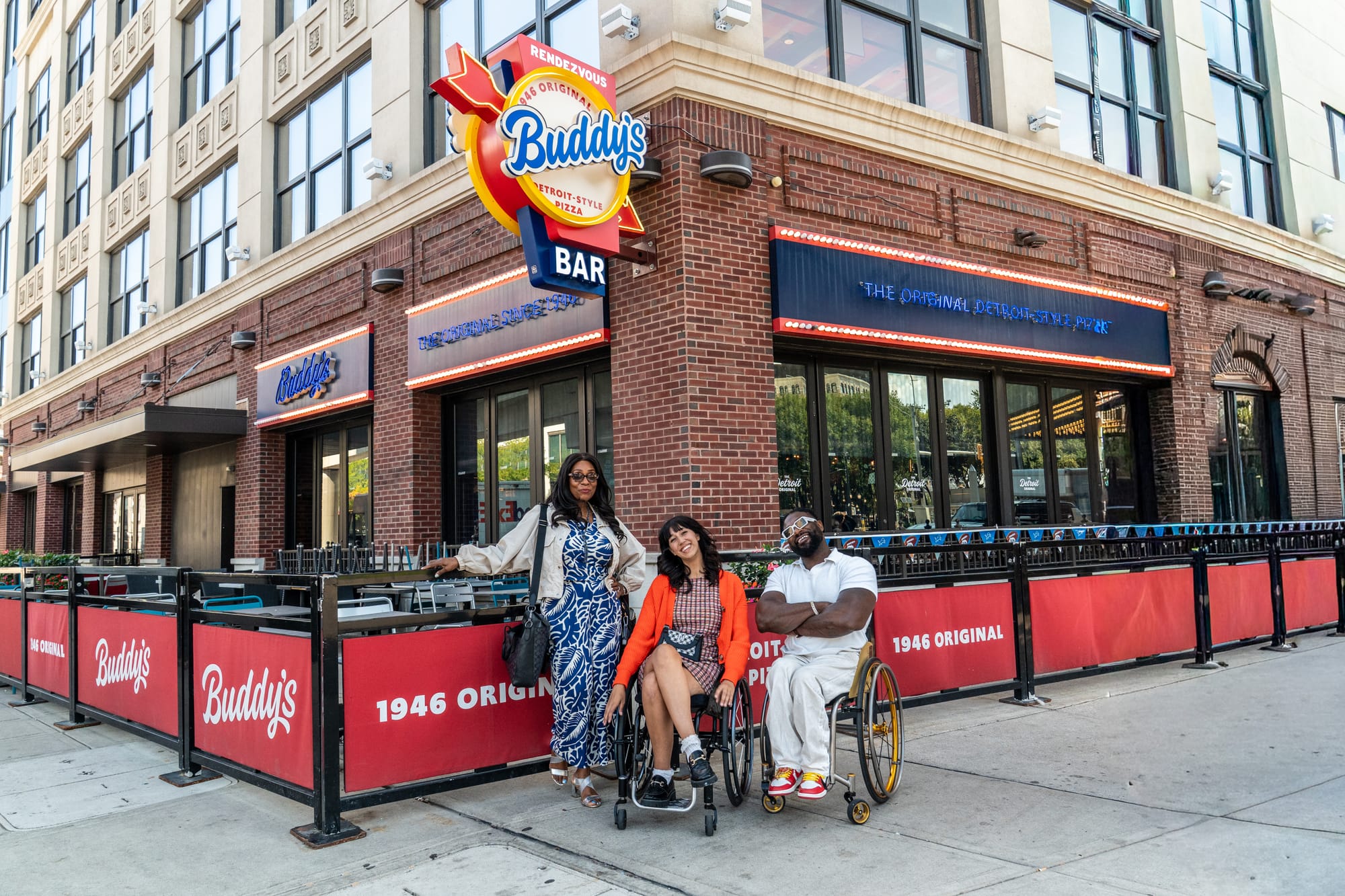
If you want real Detroit-style pizza, this is where it started. The crust is crispy on the edges and soft inside, the cheese caramelizes in the corners, and the toppings are stacked. It’s casual, usually busy, and exactly what you want after a long day exploring the city. Easy choice if you’re traveling with a group or want leftovers for later.
American Coney Island
American Coney Island is Detroit comfort food. It’s quick, affordable, and absolutely iconic. Order a coney dog (chili, mustard, onions), grab a seat, and enjoy the chaotic energy of a spot locals have been visiting for over 100 years. It’s not fancy — it’s just Detroit. And worth every bite.
Baobab Fare
One of the city’s most praised restaurants, Baobab Fare serves East African dishes with big flavors — think roasted meats, rich spices, plantains, and fresh juices. The space has a bright, warm feel to it, and the food comes out fast. It’s a great pick if you want something different from the typical “American fare” you find in most cities.
Cliff Bell’s
If you want dinner and a vibe, Cliff Bell’s is a classic jazz club with live music almost every night. The space feels vintage without trying too hard — wood paneling, warm lighting, a big stage. The food is solid, the cocktails are even better, and it’s a fun night out if you want something memorable.
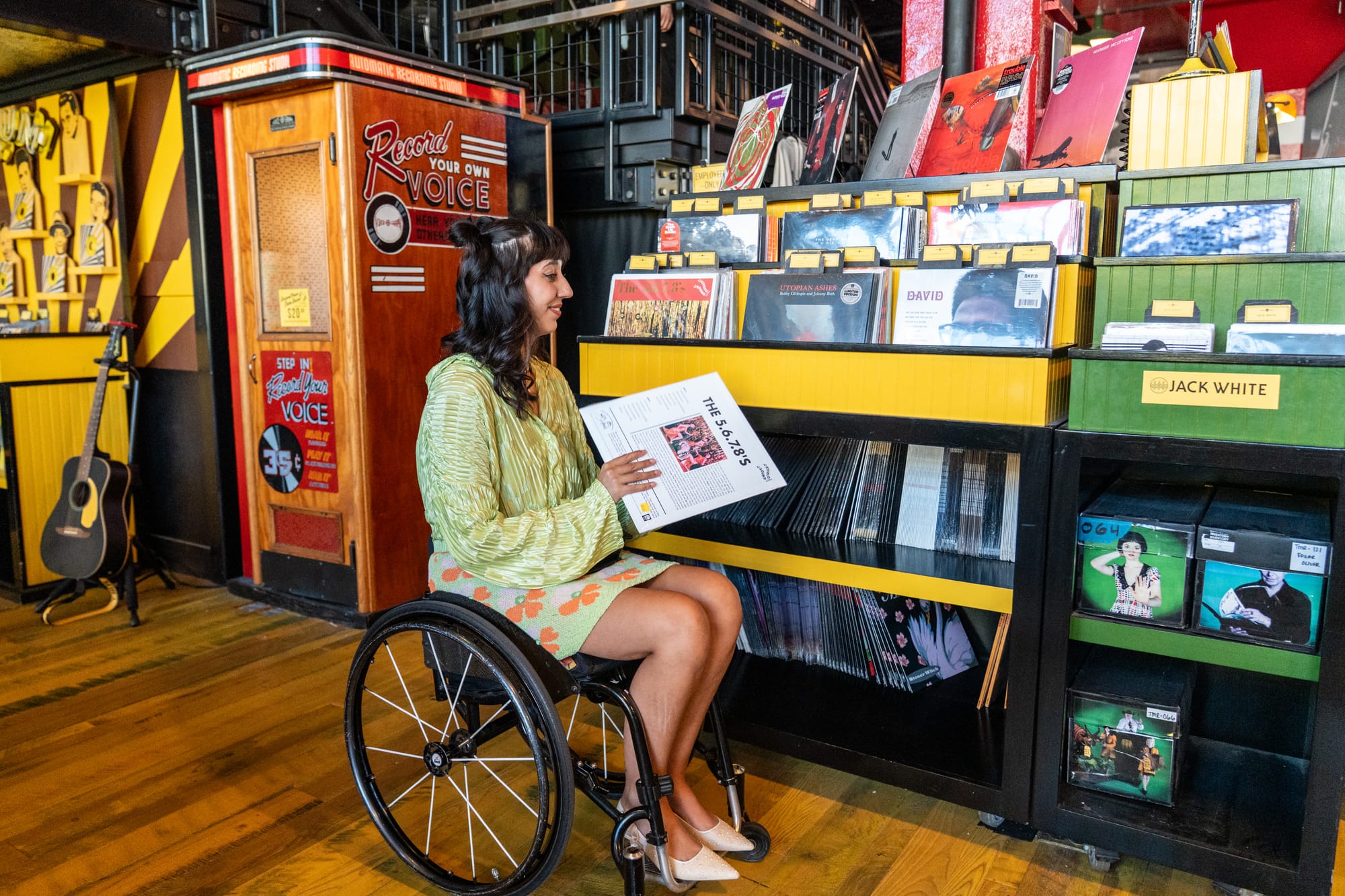
Third Man Records (for a quick stop)
Not a restaurant, but if you’re in the area, they usually have small bites and drinks available — plus it’s just a cool place to check out while you’re exploring the neighborhood.
Events Worth Checking Out
Detroit hosts some major annual events that people travel in for — and they’re genuinely fun, not just “big names on a list.” Depending on when you visit, here are a few that should be on your radar:
Movement Electronic Music Festival (Memorial Day Weekend)
If you’re into electronic music at all, this one is huge. Movement takes over Hart Plaza with stages, art installations, food vendors, and crowds from all over the world. It’s the birthplace of techno, so the festival feels meaningful in a way most EDM events don’t.
Detroit Jazz Festival (Labor Day Weekend)
One of the largest free jazz festivals in the world. Multiple stages spread throughout downtown, with both big-name artists and local Detroit legends. Even if you’re only a casual jazz fan, the atmosphere is easygoing and welcoming. Downtown is flat and very rollable, and the festival layout usually includes accessible seating and viewing areas.
North American International Auto Show (Winter)
Detroit is the Motor City, so this event hits differently here. It features new model reveals, concept cars, interactive exhibits, and recently more outdoor demos around Huntington Place. It’s a mix of car culture, industry, and tech. The venue is fully accessible, and everything is under one roof, which makes it easy to navigate without rushing.
Getting Around: Accessible Transportation
Detroit has several accessible options for transportation. Here are a few notes and tips for your visit:
- Rideshare (WAVs) – Both Uber and Lyft offer WAV services in Detroit. Wait times can vary depending on the time of daym, but downtown usually has plenty of availability. It makes for a convenient option for getting to and from your hotel, or just around town without having to deal with parking.
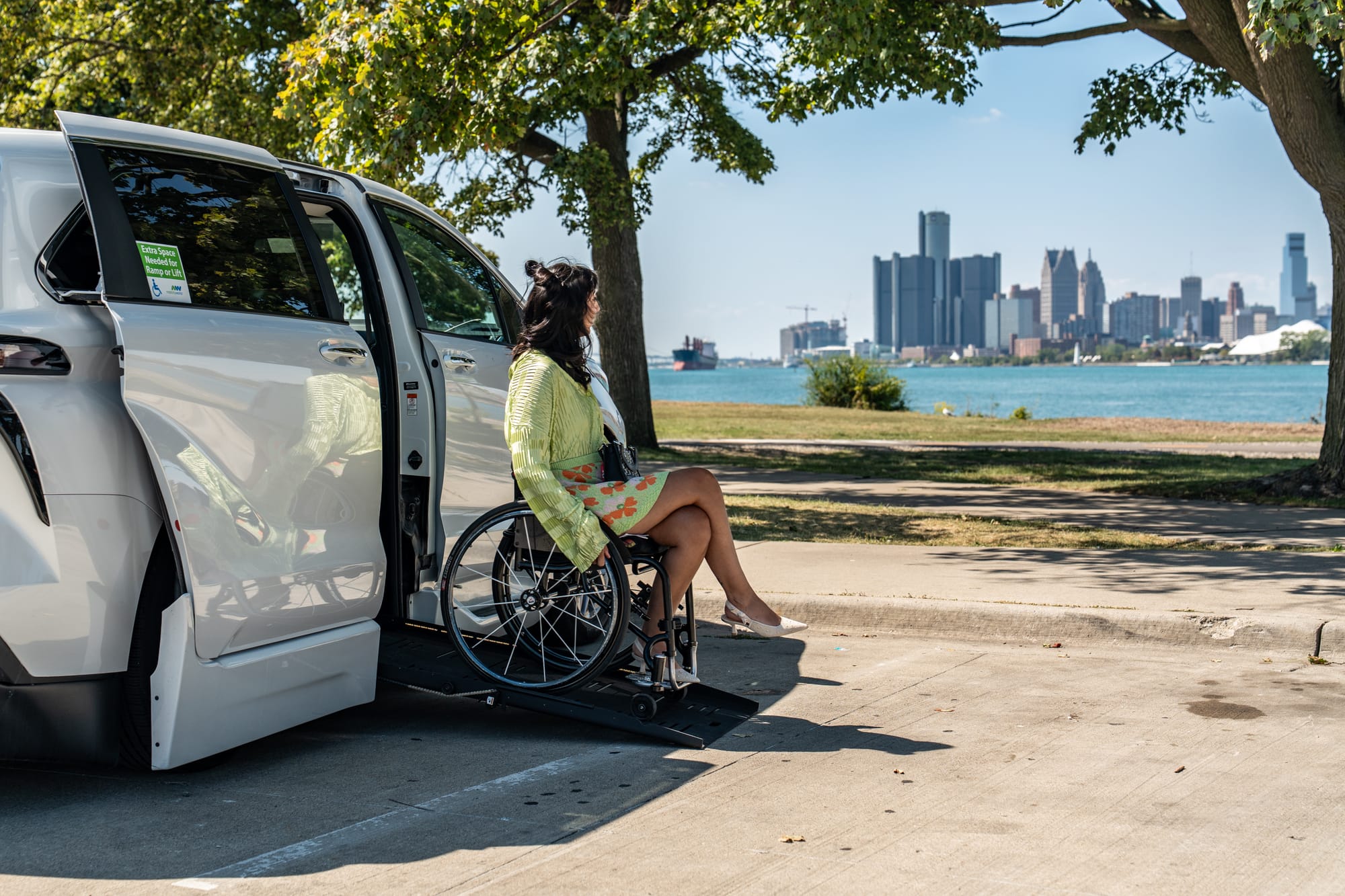
- Renting an Accessible Vehicle – This is the best option if you want to explore outside of the main downtown core. MobilityWorks is the go-to for adapted rentals in the Detroit area. They can deliver the vehicle to Detroit Metro Airport for an added fee, which makes arrival a lot smoother. Inventory is limited, so booking early is important, especially in summer and fall.
- Public Transportation – Detroit’s has accessible public transit options which are an inexpensive way to see different areas. Some of them include:
- Detroit People Mover – A free, fully accessible elevated tram that makes a loop around downtown. It stops near major spots like Greektown, the Renaissance Center, and Huntington Place, so it’s useful for short trips without calling a rideshare. Elevators and wide boarding areas make rolling on pretty simple.
- QLINE Streetcar – Runs up and down Woodward Avenue through Downtown, Midtown, and New Center. It’s fully accessible and a good option if you’re heading to places like the Detroit Institute of Arts, the Detroit Historical Museum, or grabbing food in Midtown.
- DDOT & SMART Buses – Both systems are accessible, with ramps/lifts and priority seating. DDOT covers Detroit proper, while SMART connects the suburbs. They’re the most budget-friendly option, but they can take longer depending on the route and time of day.
Plan Your Visit With Peace of Mind
Find accessible hotels, things to do and more with verified information
Start planning


Comments ()