
Accessible Travel Guide to Albany, New York
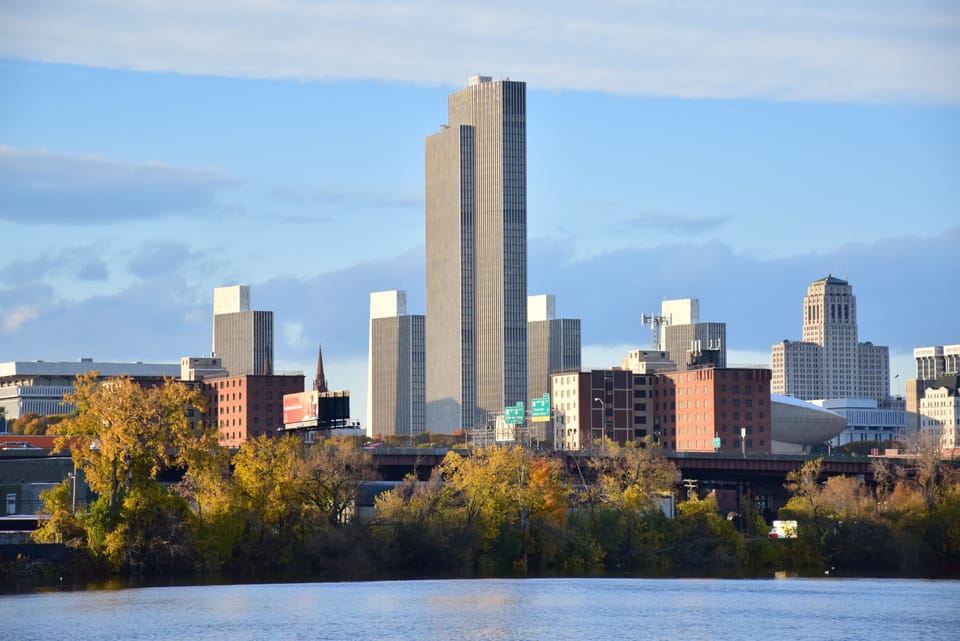
Albany is one of those places that surprises people in the best way. It’s a 400-year-old city (older than New York City and Boston) and that's part of its allure. You get walkable neighborhoods, big cultural attractions, riverfront views, and some really unique nature areas just minutes from downtown.
And now, Albany has Accessibility Verified places in town. This mean expert mappers have visited hotels, restaurants, and attractions to measure important details. Why? So people with disabilities can plan a visit that suits their unique needs.
This guide walks you through it all: the best times to visit, accessible places to stay, things to do, where to eat, and how to get around.
What's Ahead?
Best Time to Visit and Accessibility
Albany works as a year-round destination, but how you’ll enjoy it depends on the season. Spring and fall are considered the sweet spots with comfortable weather, easy outdoor exploring, and big events like Tulip Festival in spring and local fall celebrations. Summer is warm but not overwhelming with high temperatures ranging in the 70's and 80's (Fahrenheit) and winter can be chilly but still doable.
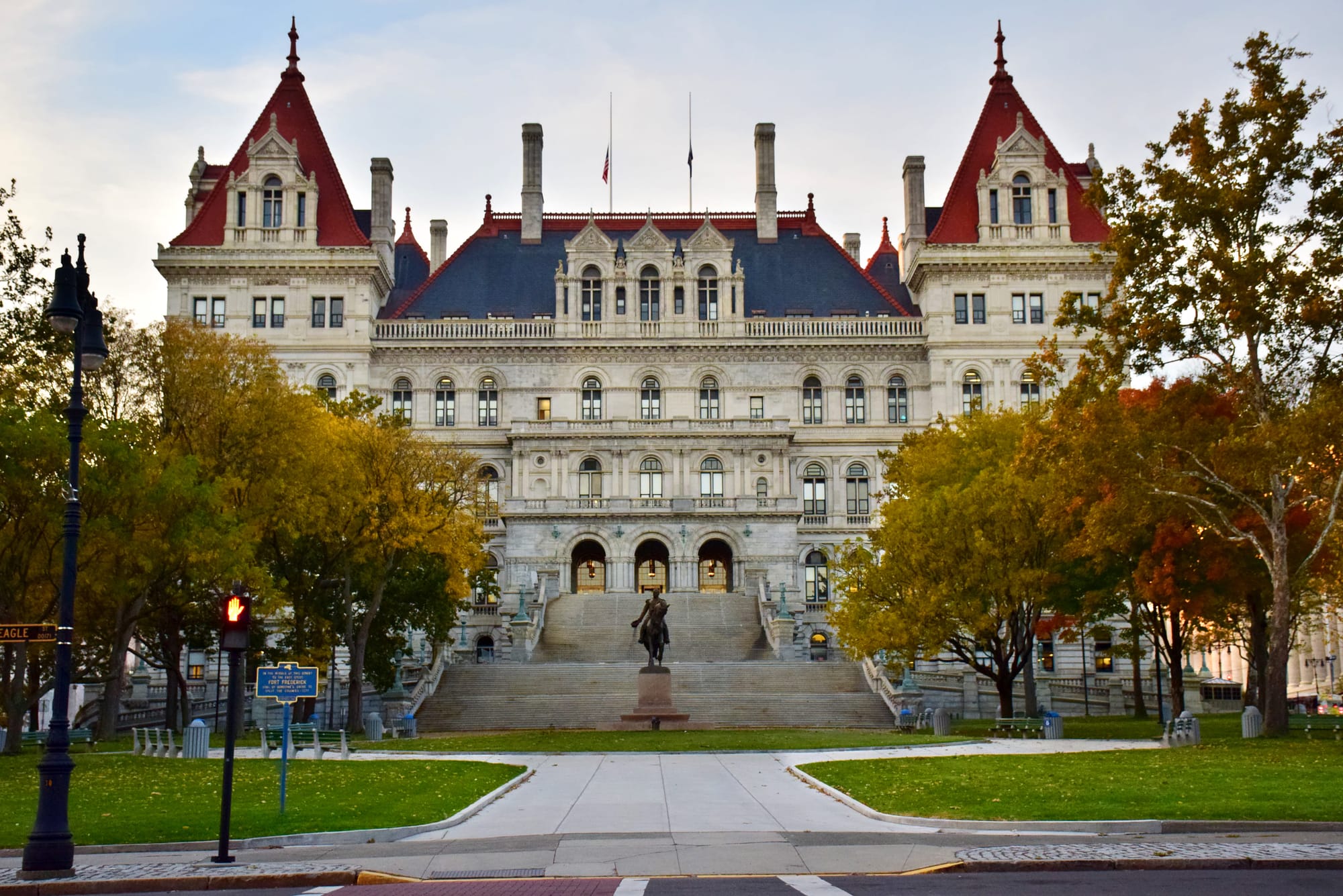
For accessibility, Albany is solid. The city has been updating sidewalks, parks, and public buildings for years, so most major attractions now have step-free entrances, elevators, accessible restrooms, and clear paths of travel. Outdoorsy spots like the Albany County Rail Trail, Washington Park, and the Pine Bush Preserve also have accessible routes that are simple to navigate. CDTA buses and Amtrak add even more flexibility for getting around.

Where to Stay
Albany has a few different areas that make good bases depending on what you want to do. Downtown brings museums and the riverfront, the University area for more space and quieter nights, and the Wolf Road/Colonie area for easy highway access and lots of food options. Here are a few accessible hotels worth keeping on your radar:
If you want to stay near downtown, the Hyatt Place is a great pick. It gives you quick access to the Empire State Plaza, the New York State Museum, and the waterfront. You can find rooms with roll-in showers and grab bars, but they also have space under the bed which is suitable for a Hoyer lift. Plus it has an onsite restaurant, cafe/lounge and bar.
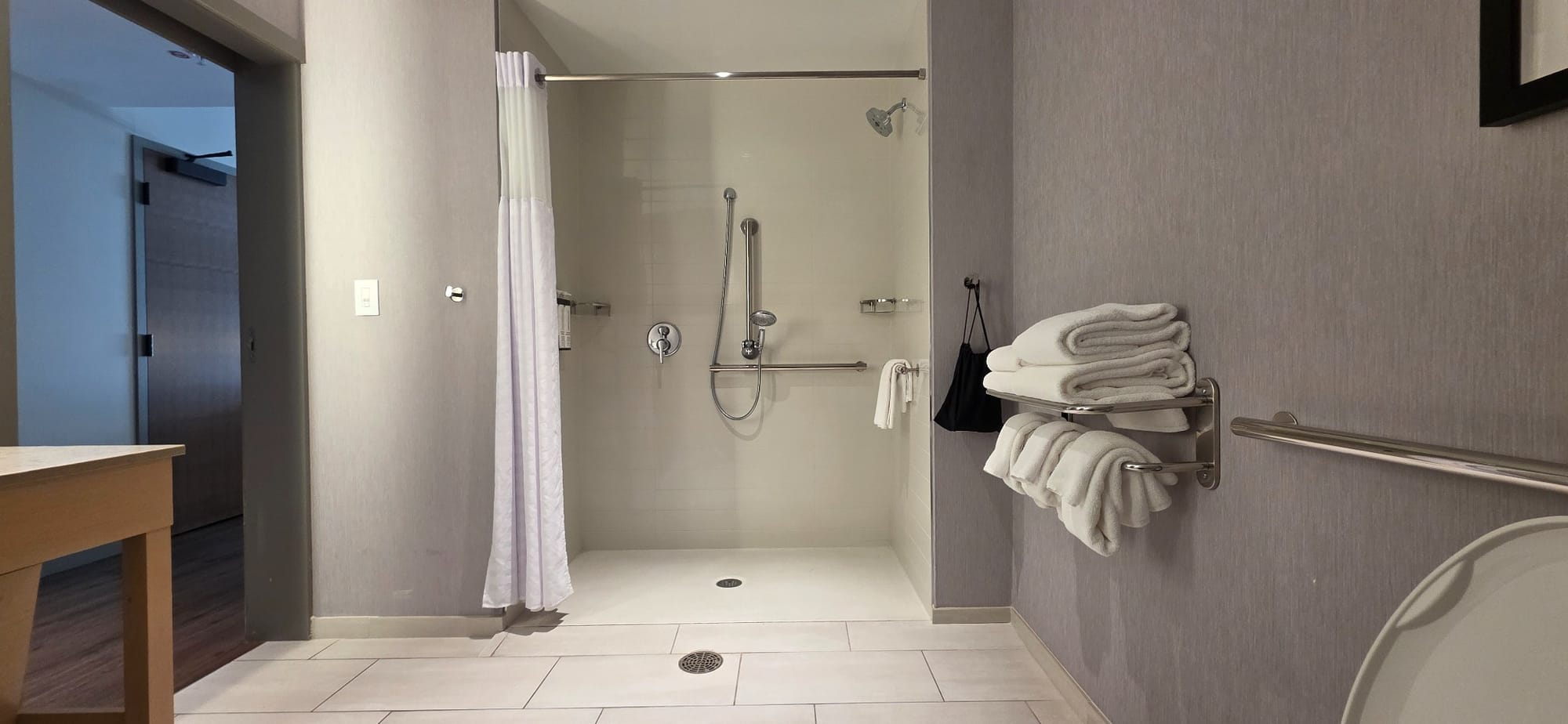
If you prefer being closer to the university district, the Hilton Garden Inn puts you in a quieter area with easy access to restaurants and the campus. It is also accessible with low-entry bathtubs or roll-in shower, space under the bed, and plenty of turning space. Additionally, you'll find a pool with a lift and breakfast (with a surcharge).
If you want something close to shopping or the highways, the Staybridge Suites and SpringHill Suites both give you accessibility like roll-in showers, and Staybridge has space under the bed and SpringHil Suites has low bed heights. Location wise, both hotels give easy access to stores, restaurants, and main routes in and out of the city.
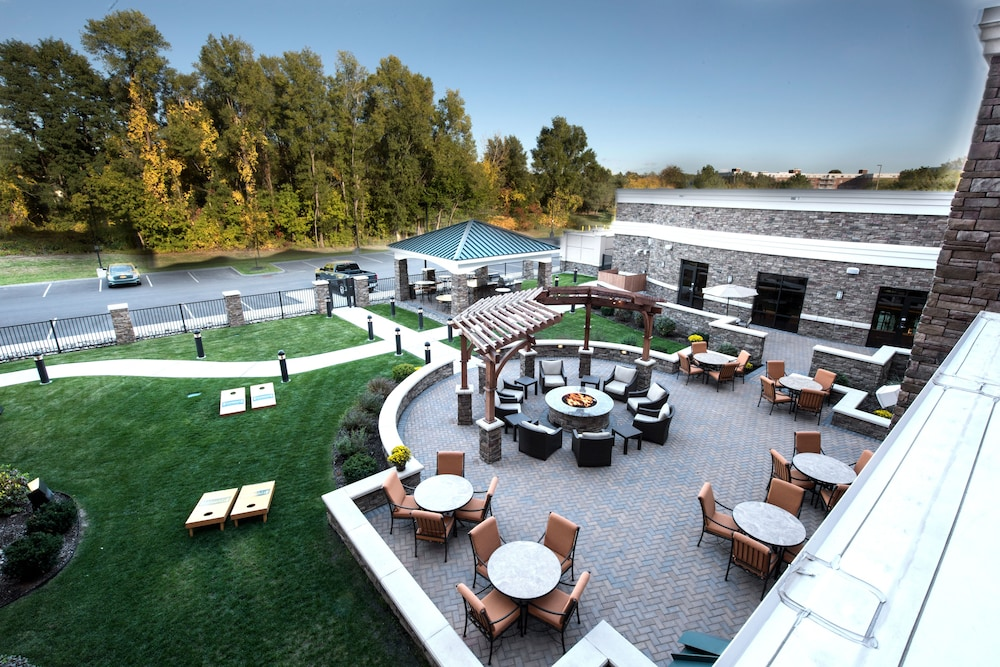
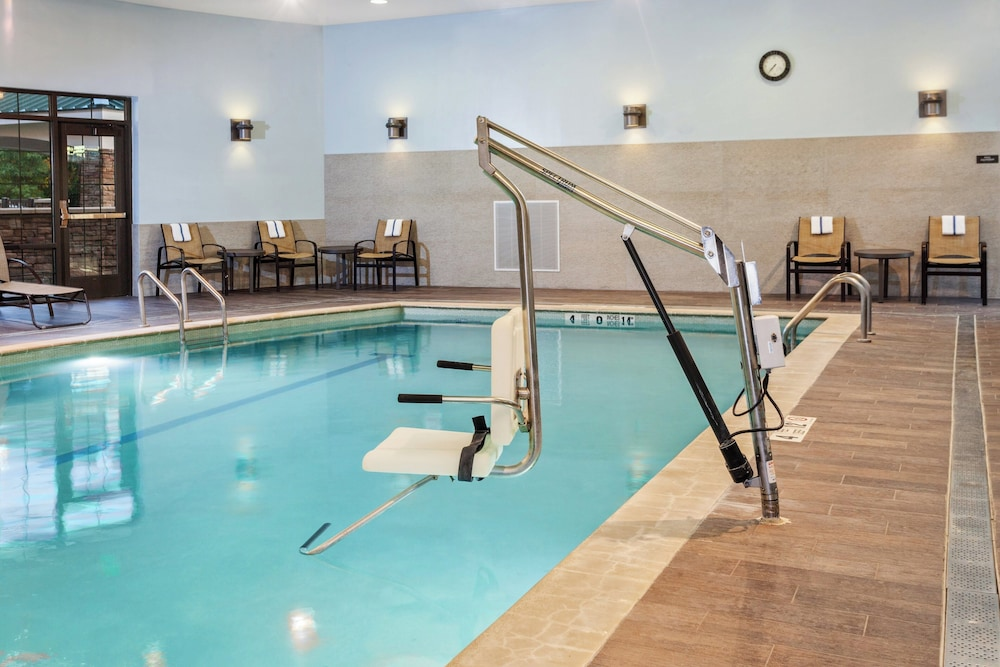
Outdoor patio and pool lift at Staybridge Suites
Accessible Things to Do in Albany
Albany offers many accessible things to do. Here are five of the top things to consider during your visit.
Empire State Plaza & New York State Museum
These two are right next to each other, and both are worth your time. The Empire State Plaza is one of the most recognizable areas in Albany. It has huge open walkways, reflecting pools, and modern architecture everywhere you look.
Right at the end of the plaza, you’ll find the New York State Museum. It’s a great spot to learn about New York history, natural sciences, Indigenous cultures, and rotating exhibits. It’s fully accessible with ramps, elevators, and roomy galleries. Plan for at least an hour, but it’s easy to spend more.

Washington Park
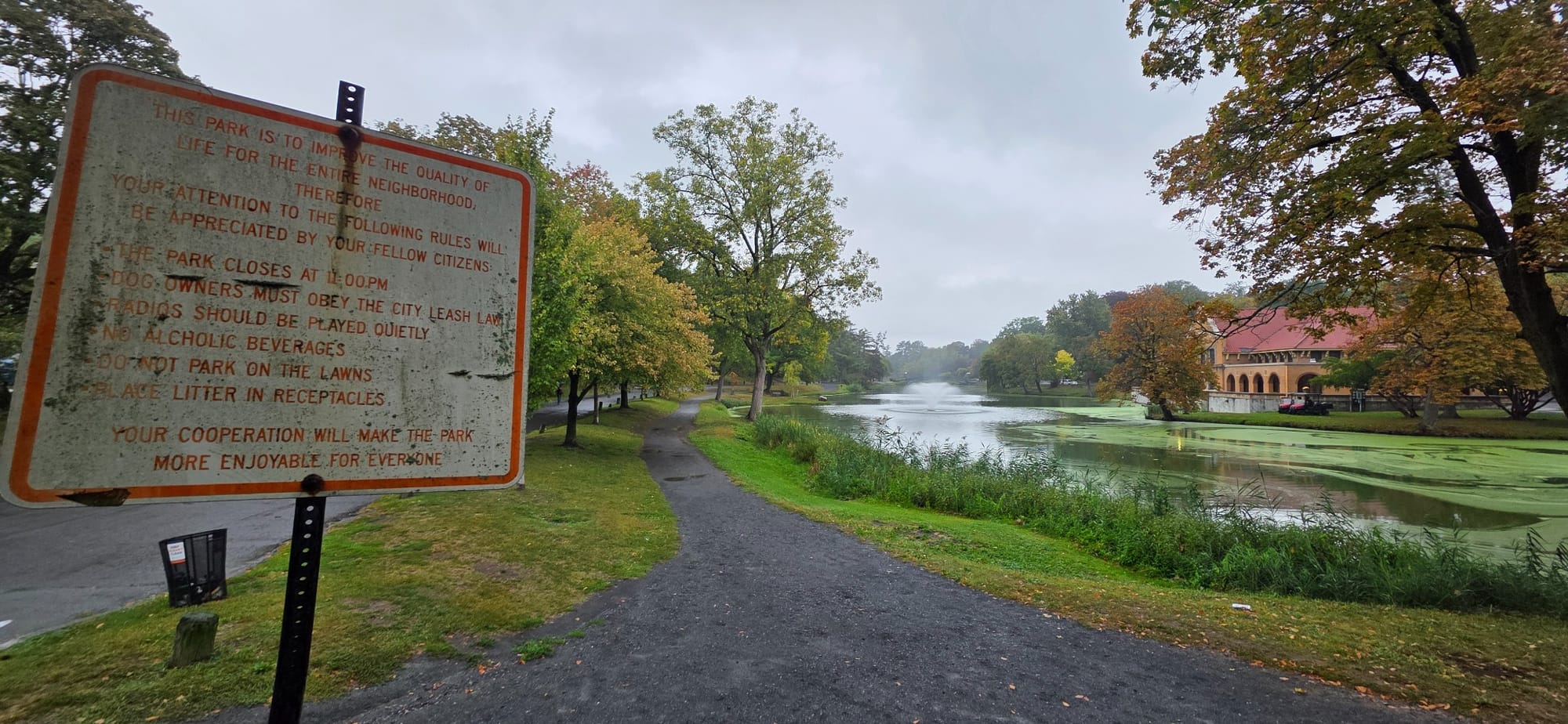
Washington Park is Albany’s big, scenic city park great for a relaxed afternoon. The paths are mostly smooth, the lake area is gorgeous, and if you visit in spring, you get thousands of tulips during the annual Tulip Festival. Even outside festival season, it’s a nice place for a stroll, a picnic, or a quiet break between museums.
Albany Pine Bush Preserve
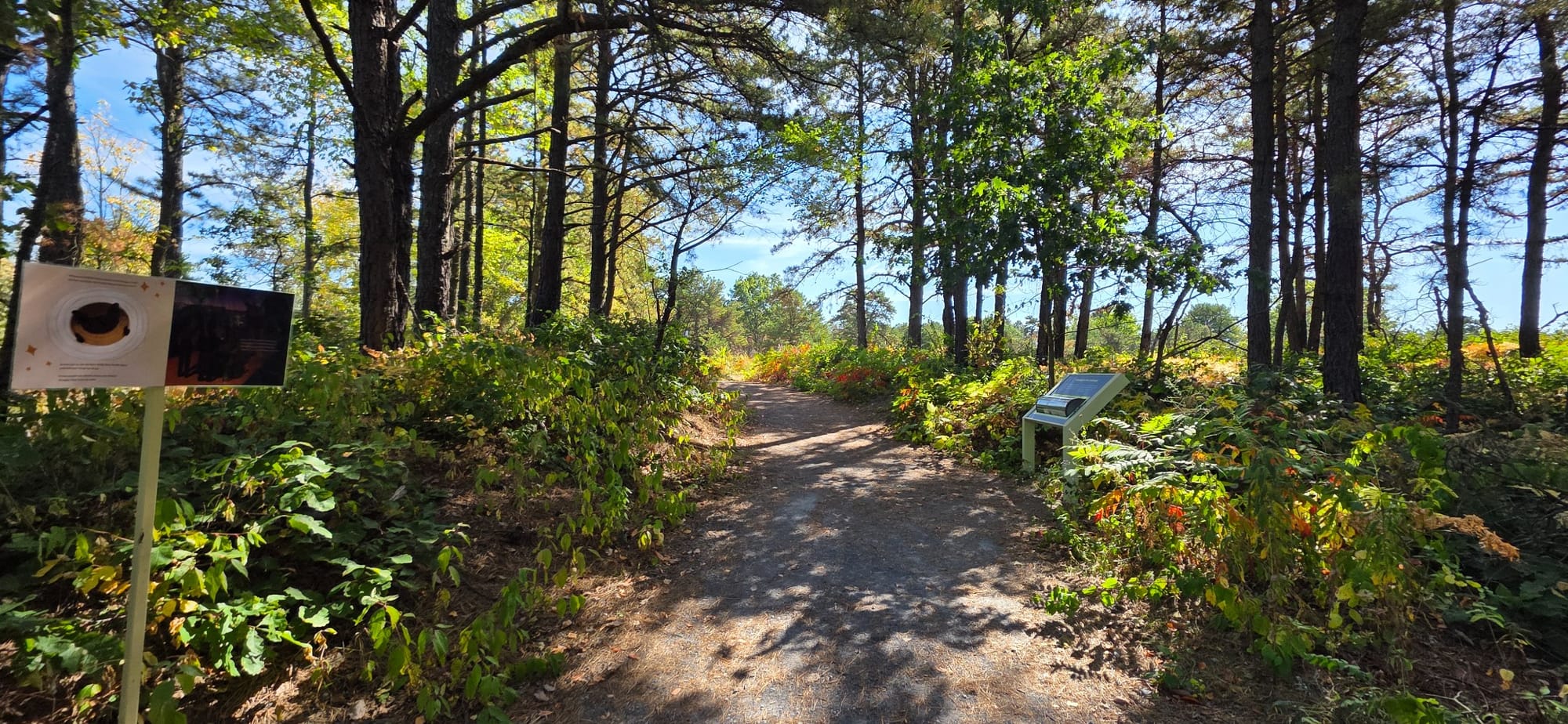
A totally different feel from the downtown area. The Pine Bush Preserve is one of the only inland pine barrens left in the world, and it has accessible trails like the short 0.2-mile “Discovery Trail” by the visitor center, which is explicitly listed as ADA-accessible and good for a quick, manageable look at the preserve’s ecosystem and interpretive signs.
The Discovery Center is also accessible, so you can learn about the ecosystem before heading outside.
Beyond that small loop, many of the other trails get sandy, narrow, or include dunes and woodland paths with variable terrain. So if you’re using a wheelchair or mobility device, it’s worth checking the trail map and sticking to the paved/marked accessible portions near the Discovery Center for the easiest experience.
Albany County Rail Trail
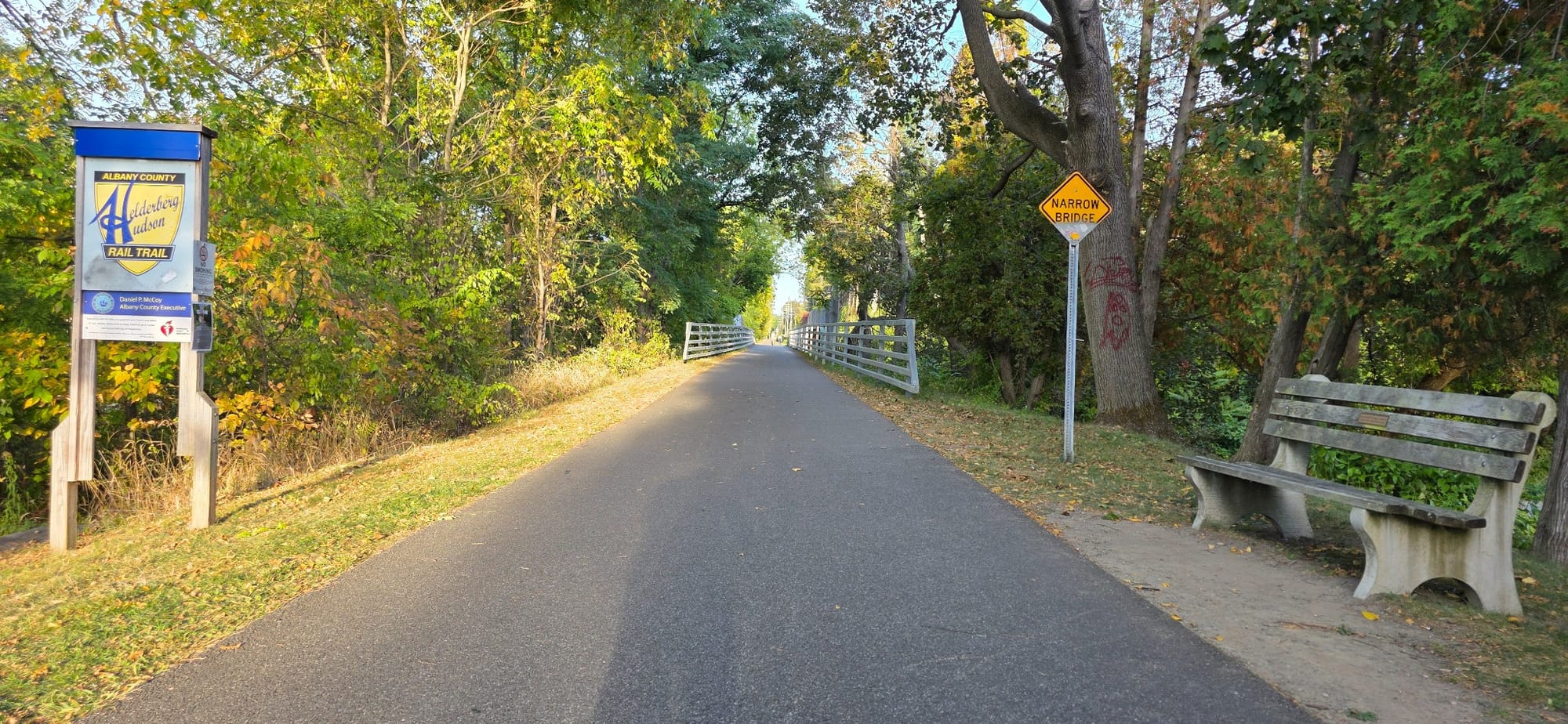
If you want a long, smooth, scenic roll, the Albany County Rail Trail is perfect. It’s a fully paved path that runs roughly 9 miles and you can hop on or off at different access points. Parts of the trail run through wooded areas, little neighborhoods, and over a few bridges, so the scenery breaks up nicely. It’s wide and well-maintained, and because it’s popular with cyclists and walkers, it never feels isolated.
Albany Institute of History & Art
The Albany Institute is one of the oldest museums in the U.S., and it’s especially interesting if you like regional history or art. All galleries and exhibits are fully accessible, and you'll also find a step-free entrance at the north side of the building, elevators to access the upper floors, and an accessible bathroom. Additionally, large-print exhibition guides are available upon request.
Where to Eat
Albany’s food scene is a mix of cozy local spots, craft drinks, and restaurants that feel a little more “big city.” Although you won’t run out of options, here are four accessibility mapped places in the area:
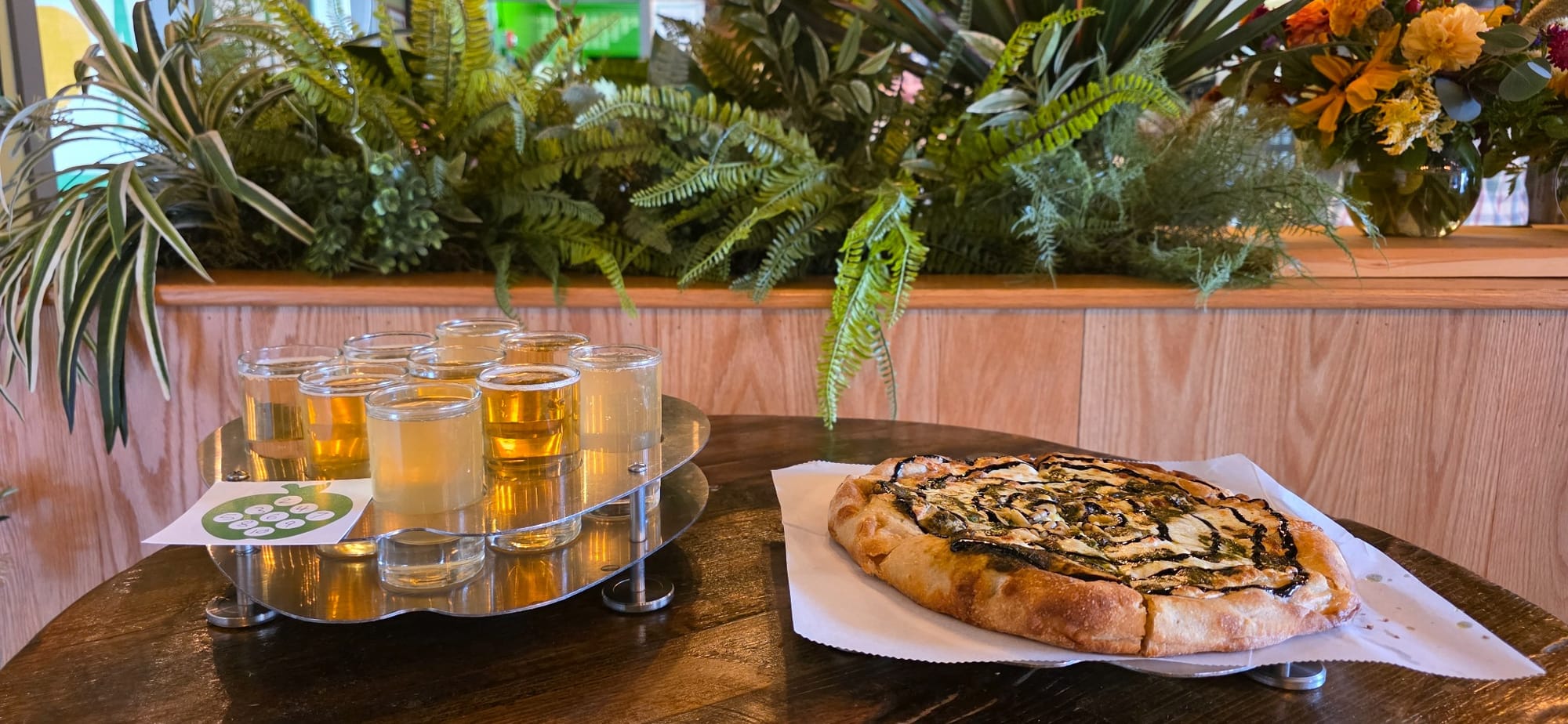
Nine Pin Ciderworks
If you like cider, Nine Pin Ciderworks is your place. It’s New York’s first farm cidery, and the tasting room usually has seasonal flavors, small bites, pizza, and fun weekly events.
The Hollow Bar + Kitchen
Located right downtown and perfect if you want something with a little energy, The Hollow Bar + Kitchen's menu leans elevated comfort-food-meets-gastropub and there are often live music events happening.
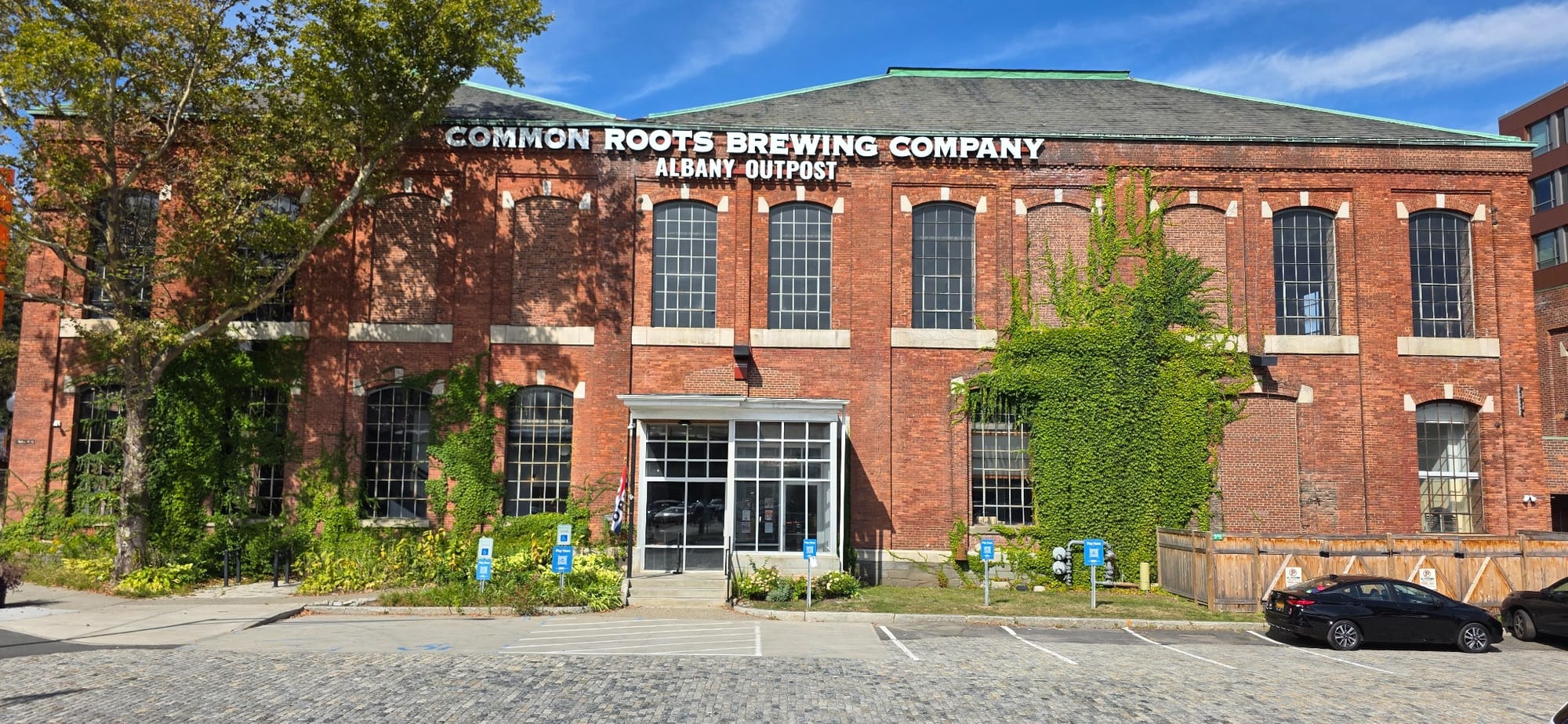
Common Roots: Albany Outpost
Common Roots is an easy pick if you want good beer and a relaxed place to hang out. The menu has the things you want while drinking beer: sandwiches and burgers, Bavarian pretzels, pizza, and shareable plates. They're located inside a big, spacious building and the outdoor patio is a nice spot when the weather’s good. They also host events pretty regularly (like live music, trivia, happy hour), so it’s a must-visit spot to drop into.
dp An American Brasserie
If you want bit of an upscale experience without being overly expensive, dp An American Brasserie is a great pick. Think diverse menu with fresh ingredients and really good cocktails, and a warm dining room that works for date night or a nicer dinner out.
Events Worth Checking Out
Albany has a steady calendar of events throughout the year, but a few really stand out and are worth planning your trip around.
Tulip Festival (May)
The Tulip Festival is one of Albany’s biggest signature events and fills Washington Park with over 100,000 tulips every spring. It’s colorful, busy (in a fun way), and very rollable since the park paths are paved and wide. You’ll find local food vendors, music, and different cultural performances throughout the weekend.
Altamont Fair (August)
Altamont Fair is a classic county fair experience with rides, agricultural exhibits, food stands, and live entertainment. Some areas are gravel or grass, but much of the main fairground has packed paths that are manageable for most wheelchairs. If you like small-town fairs, this is the one.
Halloween Season in Albany (October)
Albany goes all-in on fall. Throughout October you’ll see themed tours, museum events, and neighborhoods that really lean into the season. Washington Park usually becomes the center of a lot of the activity, and places like the New York State Museum often add special programs. The cooler weather and changing leaves make it a great time to be outside, and the whole city has that cozy, fall vibe people love.
Getting Around
Getting around Albany is pretty simple once you know your options. The city isn’t huge, so most major attractions sit within a short drive or bus ride of each other. Here are the easiest, most reliable ways to move around with accessibility in mind:
Public Transportation
- CDTA (Capital District Transportation Authority) – All CDTA buses are wheelchair accessible with ramps, securement areas, and priority seating. Routes run through downtown, the university district, to major museums, and into nearby suburbs. It’s a solid option if you’re sticking to the city and don’t mind bus travel.
- Amtrak – Rensselaer Station is fully accessible and sits just across the river from downtown. Elevators, ramps, accessible restrooms, and staff assistance make it one of the easier stations to navigate. If you’re arriving from NYC, Boston, or western NY, the train is often the most comfortable way in.
Renting a Vehicle
If you want flexibility, renting a vehicle is always an option. MobilityWorks operates in the region and is often a dependable source for wheelchair-accessible van rentals. They offer ramp-equipped vehicles and can often arrange an airport pickup or delivery to your hotel for an additional fee. Inventory can be limited, so booking early is a good idea, especially in peak seasons.
Taxis & Rideshare
Uber and Lyft offer WAV services, but they might not be consistent or available all the time. Standard rides are easy to find, but if you require a wheelchair-accessible vehicle, it’s safer to rely on CDTA, Amtrak, or an accessible rental rather than counting on rideshare availability.
Plan Your Accessible Visit to Albany With Peace of Mind
Find hotels, things to do, and more with verified information you can trust
Start planning


Comments ()