
My 5 Favorite Destinations to Travel to as an Amputee
I thought traveling solo was already quite the adventure. Turns out, traveling as an amputee with sensory sensitivities and limited energy is a completely different ball game.
At first, I really believed it wouldn’t be that different. Sure, I have a prosthetic, but I’ve always figured things out as I go. How hard could it be?
That mindset lasted right up until a mountain camping trip where everything kind of… fell apart. That was the moment it clicked that my body and certain environments are just not always on the same team.
Travel used to look like booking something last minute, throwing things in a bag, and figuring it out when I landed. Now it’s way more intentional. Not less exciting, just higher stakes.
When you’re traveling with a disability, you can’t always afford to wing it. The margin for error is smaller, and when something goes wrong, it hits harder mentally and physically.
Over time, I’ve realized not all destinations are created equal either. Some places make it easier to exist without constantly problem solving your way through the day. Others feel like a full time job just to participate.
These are the five places where I didn’t feel like I had to fight my body the entire time. And that made all the difference.
1. Oregon
Oregon was one of the first places where I experienced what accessibility actually looks like when it’s prioritized instead of added on later.
And honestly, the biggest thing wasn’t even one specific feature. It was the fact that I didn’t have to constantly think about my body every second. That’s usually running in the background of my mind for me when I travel. In Oregon, it just wasn’t as loud.
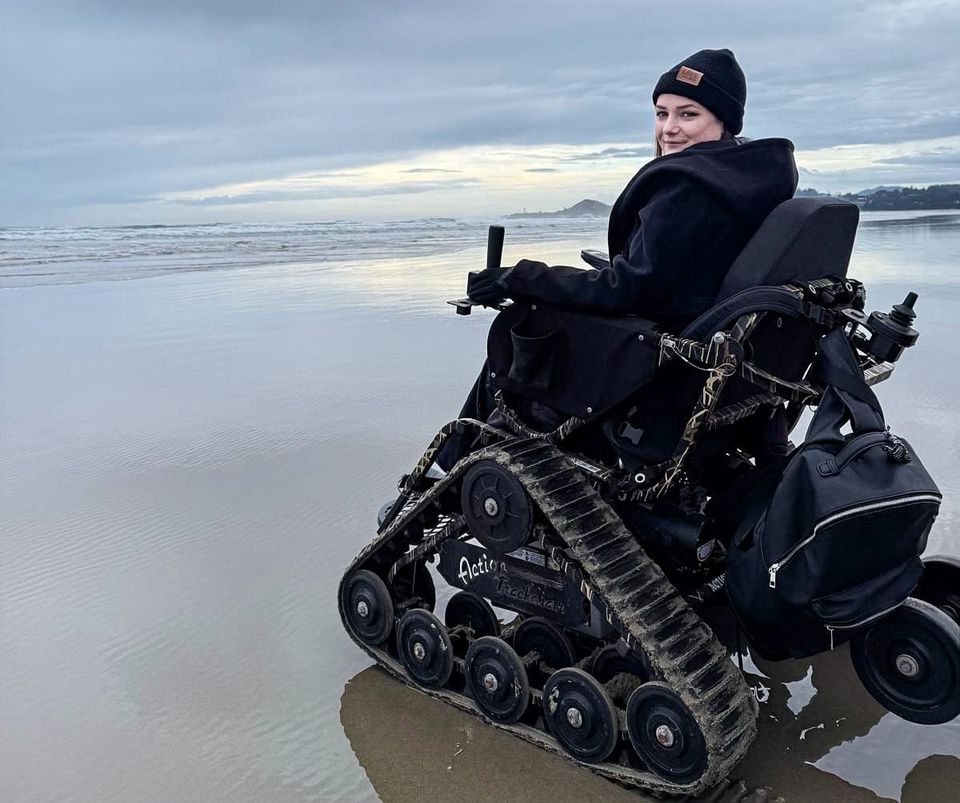
I was there on a Travel Oregon FAM trip where they were actively showing the work they’re doing to become the first Accessibility Verified State in the U.S. through Wheel the World.
Seeing that process up close changed a lot for me. It made me realize there’s a huge difference between places that say they’re accessible and places that are actually building systems around it.
Portland
Going into Portland, I was fully expecting the usual city stuff that drains me way faster than it should—crowds, noise, uneven sidewalks, constantly having to watch where I step. All of that adds up quickly, both physically and mentally.
But it ended up being way more manageable than I thought.
The city definitely has its own personality. It’s a little weird in a fun way. But what stood out more was how easy it felt to move through without constantly scanning the ground or second guessing every step, which is something I usually don’t even realize I’m doing until I don’t have to do it.
That mental relief is hard to explain unless you’ve experienced it, but it makes a huge difference.
Crosswalks had smooth transitions and verbal cues, sidewalks were wide, and I wasn’t dodging obstacles every five seconds like I normally am in cities.
One of my favorite stops was Pittock Mansion. Not even really for the mansion itself, although it is beautiful, but for the grounds.
I could just exist there for a minute and take in the panoramic views of the city and the Cascade Mountains without having to think about how I was moving through the space. Inside, it’s partially accessible if you’re using a manual wheelchair, and they even have a historic elevator from 1914 which is kind of cool.
I also spent some time at the International Rose Test Garden, which ended up being one of those slower moments I didn’t realize I needed. You can move through it at your own pace quite literally stopping and smelling the roses, which matters more than people think.
The only downside was the bees and bugs. They were very committed to being the main characters of the experience and a few tried to hitch a ride home.
Central Oregon
Central Oregon shifted things for me in a completely different way.
I think a lot of us quietly rule adventurous things out without even realizing it. Not because we can’t do them, but because we’ve never seen an accessible option exist in the first place. So we just assume it’s not for us and move on.
That assumption didn’t last very long here.
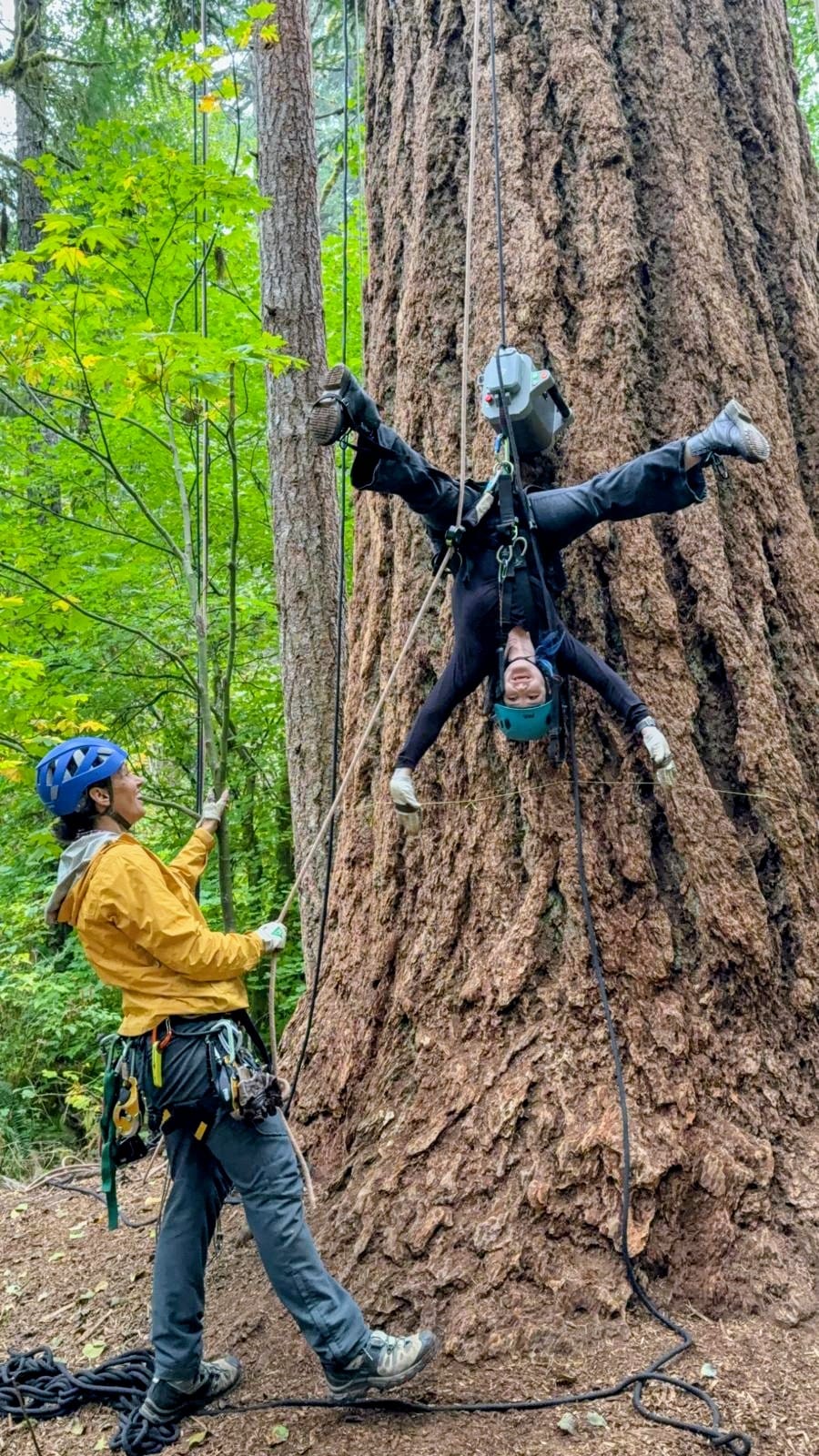
At Silver Falls State Park, I tried adaptive tree climbing, which is something I would have immediately written off before this trip because I know how much effort it takes to get into those trees and how terrible I would feel afterward.
Getting up into the canopy using the motorized ascender and realizing I was actually doing it felt a little surreal. The view from 100 feet up in a Douglas Fir is not something I ever pictured myself being able to experience.
That carried over into adaptive hiking at Benham Falls with Wanderlust Tours using an AdvenChair.
Normally, I can hike with my prosthetic with a little finesse. But chronic illness adds another layer to everything. It’s not just about whether I can do something, it’s about how much it’s going to cost me later and for how long.
Having an option where I could pace my energy meant I could actually enjoy the experience instead of constantly thinking about the aftermath. That alone changed everything.
Oregon didn’t just feel accessible. It changed how I evaluate places entirely. It made me realize accessibility isn’t just about whether something is technically possible. It’s about whether you can exist in a space without constantly adapting yourself to it.
2. North Alabama
Alabama was never really on my bucket list, mostly because I just didn’t know much about it and it didn’t seem like one of those ‘I have to see it!’ places. It wasn’t a place I had strong opinions about either way, which is probably why it ended up surprising me as much as it did.
What I didn’t expect was how much the experience would shift how I think about accessibility in places that aren’t typically known for it.
When Visit North Alabama and Leslie Walker Consulting invited me out to experience the region through the lens of accessibility, I went in curious but without huge expectations. I was kind of like okay, we’ll see how this goes. That changed pretty quickly within the first day.
Over the course of five days, I traveled through multiple cities, and what stood out wasn’t just the variety of things to do, but how often I found myself noticing the small details that actually made those experiences possible.
Not the big flashy “this is accessible” moments, but it was the small things you don’t always notice unless you need them like benches to rest, doors that open with a button rather than wrestling them, and staff who are trained in compassion instead of capitalism.
It made me realize that accessibility usually isn’t one big obvious feature. It’s a bunch of smaller decisions that either make a place easier to exist in or quietly limit who actually gets to experience it.
Huntsville
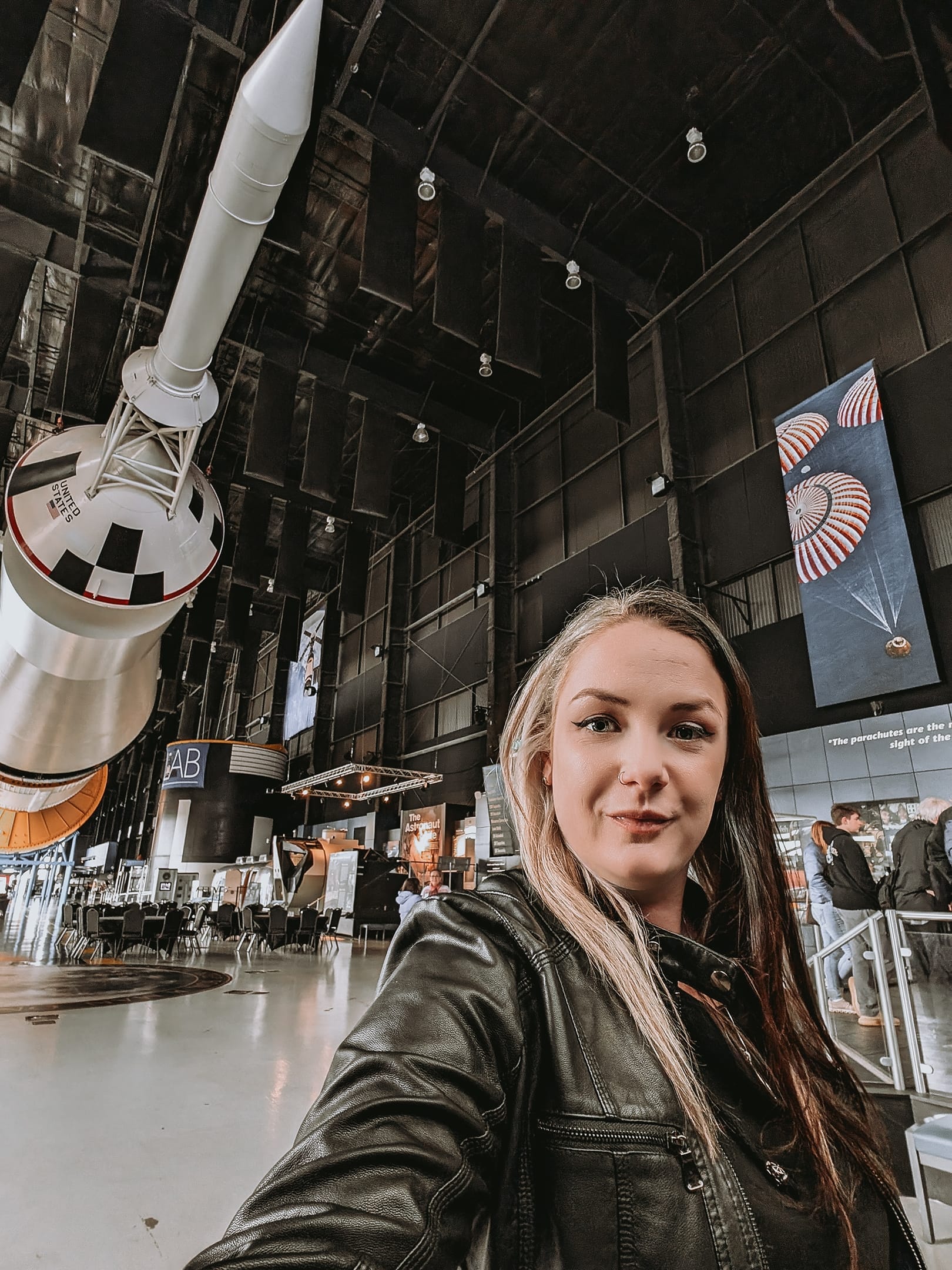
In Huntsville, also known as Rocket City, everything revolves around its connection to space exploration. At the U.S. Space and Rocket Center, I walked and rolled through exhibits surrounded by full scale rockets and a life size shuttle stack, which feels just as surreal as it sounds.
And I’m not gonna lie, spaces like that can get overwhelming fast. There’s a lot going on visually, physically, and just in general.
The entire center is wheelchair accessible, and they partner with KultureCity to offer sensory bags, which made a bigger difference than I expected. Especially in an environment like that where sensory overload can sneak up on you really quickly.
They also offer Space Camp for adults and families with accessibility considerations built in, which is one of those things you don’t even think exists until you see it and go wait… this is actually an option?
I also spent time at Lowe Mill ARTS and Entertainment, a massive creative space filled with local artists doing everything from handcrafted instruments to detailed painted maps on the human body.
The first floor is accessible, but the elevator was down during my visit. And honestly, that felt like a very real example of how accessibility actually works in real life.
It’s not always all or nothing. Sometimes it’s partial. Sometimes it’s inconsistent. And knowing that ahead of time is the difference between adjusting your plans and showing up only to realize you can’t actually experience most of it.
Woodville
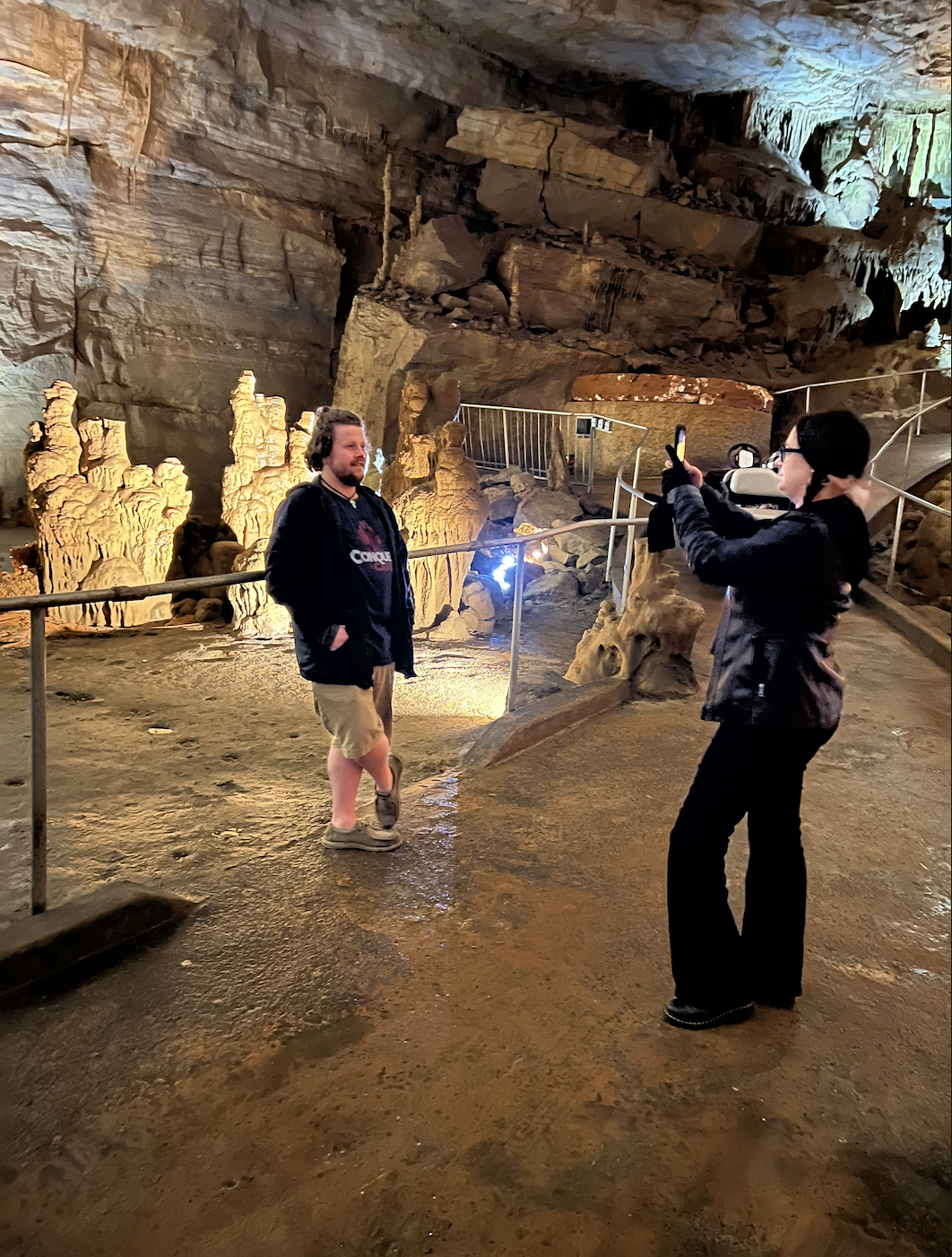
One of the most unexpected experiences of the trip happened in Woodville at Cathedral Caverns State Park.
Cave exploration had pretty much been filed away in my brain as not happening anymore because of tight spaces, uneven paths, and not wanting to be stuck because my prosthetic is unyielding, but they offer a golf cart option that lets you go through the cave without walking the full 1.5 mile route.
There are some steep inclines, so it’s not something I’d try to navigate without that support if you have limited mobility, but just having the option at all changes what feels possible.
It also gave me enough time to actually take in the space and briefly consider stealing one of the tiny bats before remembering that was, in fact, not a reasonable decision.
Lake Guntersville
After that, I made my way to Lake Guntersville expecting a pretty standard camping experience. What I got instead was glamping, and I don’t think I can ever go back to traditional camping now. Maybe I’m a little spoiled now that air conditioning was involved.
I stuck with the space theme and stayed in the Launchpad at ReTreet, which had everything I usually end up sacrificing while traveling like air conditioning, a full kitchen, a hot tub, and a walk in shower with grab bars.
For some people those are extras. For me, that’s the difference between a trip being sustainable or something I have to recover from for days after.
Being out there after the pace of the city felt like a reset in the best way. It was quiet without feeling isolating, and I wasn’t constantly thinking through what I needed to adjust or manage next.
They also have a Nordic cycle setup with a sauna and cold plunge if that’s your thing, but honestly, I was more than happy just sitting still for once and not having to constantly think about what my body needed next.
3. Durango, Colorado
Living near the Appalachian Mountains, I’m used to rolling hills and familiar terrain, but Colorado’s Rockies have a completely different presence. They’re sharper, bigger, and feel like they’re daring you to keep up.
It’s the kind of place that naturally draws in people who want to push themselves, which is exactly why I wasn’t sure how I would fit into that experience anymore as an amputee with changing energy limits.
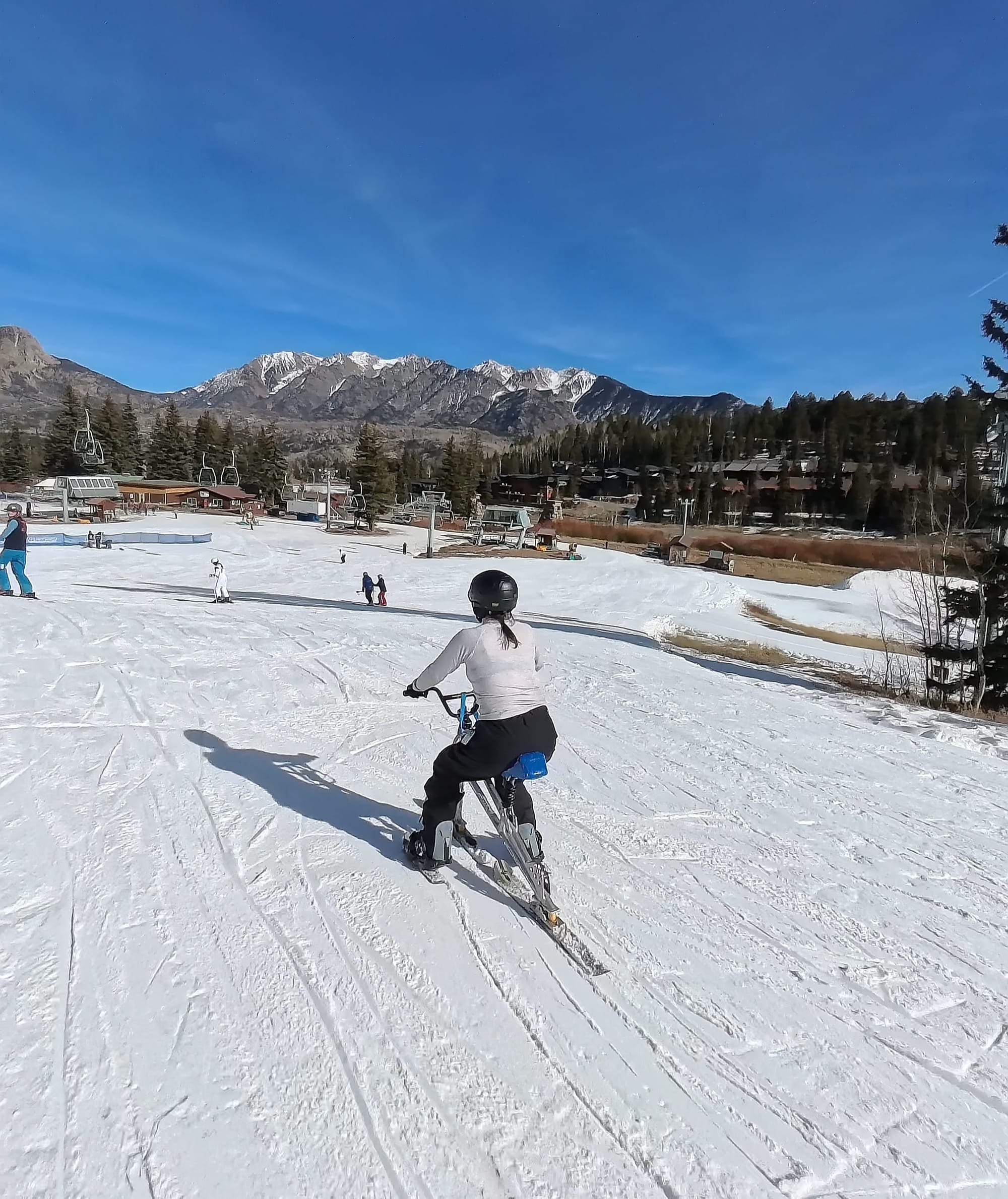
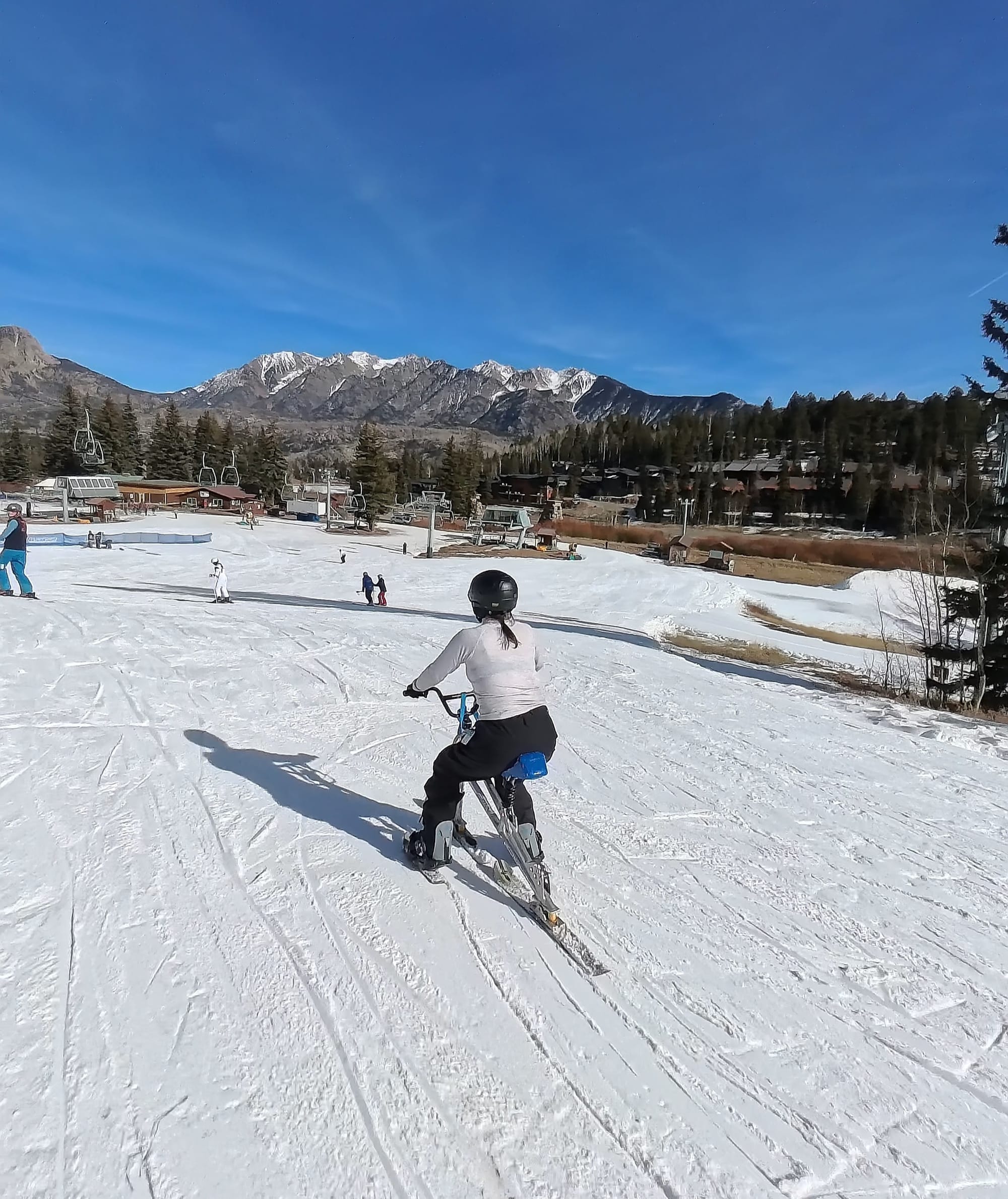
That changed when I received a scholarship to ski with the Adaptive Sports Association of Durango.
From the moment I arrived, it was clear that their entire focus is on making outdoor experiences possible for people of all abilities, not just in theory but in practice, which is something I’ve learned is rarely the case with adaptive experiences.
I tried skiing. I tried snowboarding. Both went about as well as you’d expect with two massive wipeouts that left my tailbone so bruised I could hardly take a step.
But somewhere in the middle of that, I found my way onto a ski bike and everything clicked. It felt intuitive in a way the other equipment didn’t, and for the first time, I wasn’t just trying to keep up.
It made me realize how much of this comes down to finding the right equipment—not just being given an option and expected to figure it out.
There were still wipeouts, because I was still learning. But there were also moments where I realized I was doing something I hadn’t thought would be accessible to me again. Getting up to speeds I never expected outside of a car, navigating terrain that felt completely out of reach before.
It shifted something mentally as much as it did physically, especially in realizing how quickly the right support can change what feels possible. It wasn’t about doing it perfectly. It was about realizing that different doesn’t mean off-limits, but it does depend on having the right support in place.
4. North Carolina
Whenever I travel internationally, one of the questions I get asked the most is where people should visit in the United States. Most expect the usual answers like New York City or Los Angeles, but I almost always point them to North Carolina instead, mostly because it has everything in one state.
It is one of the few places where you can experience mountains, beaches, cities, and small towns all in one state, which makes it flexible depending on what kind of trip you want without having to overcomplicate it.
Accessibility varies depending on where you go, but there are enough options across the state that it does not all come down to one place getting everything right, which ends up mattering more than you expect.
Blowing Rock
I have been visiting the small mountain town of Blowing Rock since I was a kid roadtripping with my family, long before I ever thought about accessibility in the way I do now. Coming back as an adult, and now as a local, gave me a different perspective on why I have always been drawn to it.
There is a slower pace to the town that makes it easier to navigate without needing to plan every step ahead of time, along with accessible hikes like Bass Lake Loop and the Moses Cone Carriage Trails.
You can visit The Blowing Rock itself and learn about the Native American legend behind it, or spend time with the family at Tweetsie Railroad, which takes you back in time to the old Wild West in a way that is both nostalgic and still manageable from an accessibility standpoint.
Outer Banks
On the coast, the Outer Banks ended up surprising me in a different way. Growing up with Florida beaches set a pretty high standard, so I was not expecting much when we first moved to North Carolina.
But the Outer Banks offers accessible beach options, historical sites like the Wright Brothers National Memorial, and some of the best seafood you will find along the coast.
It is one of those places that does not try too hard to impress you, but still ends up working better than you expect once you are there, which feels pretty consistent with North Carolina as a whole.
5. London, England
I went into London fully expecting chaos. Old city, uneven streets, stairs everywhere, you know the deal. Instead, it ended up being one of the most mobility-friendly cities I’ve ever been in.
And not in a performative way. In a way that actually felt like disabled people were considered when things were built.
I saw more wheelchair users moving around independently here than almost anywhere else I’ve traveled, which stood out immediately. Public transport, sidewalks, crossings, all of it felt intentional. Not perfect, but also not something that was added on later as an afterthought.
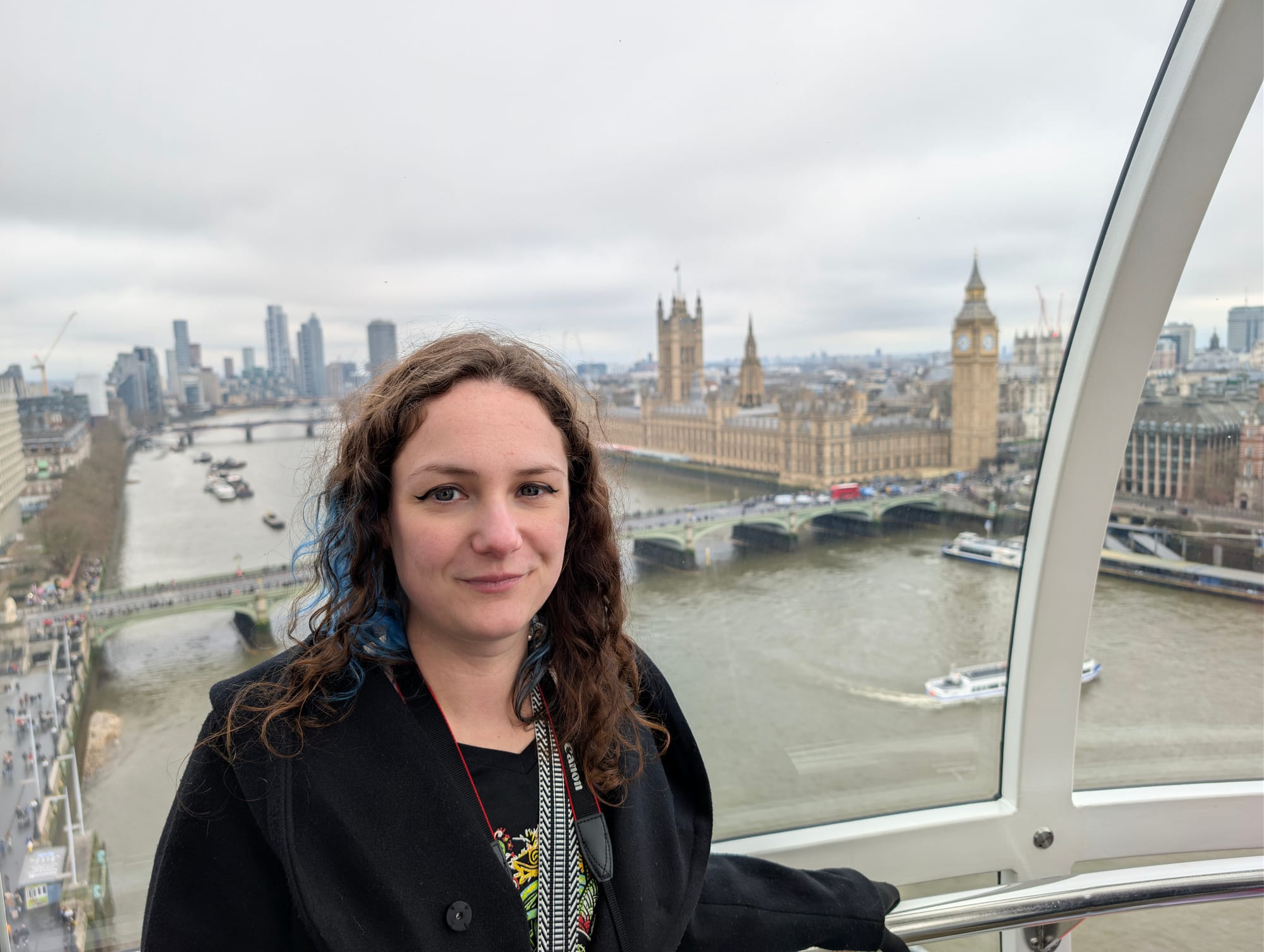
I hit the big spots like the London Eye and the British Museum, both of which were surprisingly accessible without turning it into a whole process.
Then I wandered into places like Borough Market and the Leake Street Graffiti Tunnels, which are not technically accessible. But if you catch them on a lower crowd day, they end up being way more manageable than you would expect.
London is not flawless, but it is one of the few cities where I didn’t feel like I had to constantly work around it to exist in it.
Finding What Works (and What Doesn’t)
Travel doesn’t stop when your body changes, it just starts to look different. What these places showed me is that accessibility isn’t about perfection, it’s about how much effort you have to put in just to experience something.
In Oregon, North Alabama, Colorado, North Carolina, and London, that effort felt lighter. Not gone, but lighter, and that’s what made it possible to actually enjoy the trip instead of just getting through it.
If you’re trying to figure out where to go next or how to make travel work with your own needs, you’ll find more destination guides and accessibility notes across Phoenyx Travels to help you plan it in a way that actually works for you.
Explore More From Phoenyx Powell
Phoenyx Powell is a writer, disability advocate, and the creator behind Phoenyx Travels, where she shares what navigating life and travel with a disability actually looks like before, during, and after the trip.
After a 2016 motorcycle accident left her with a traumatic brain injury, sensory sensitivities, and eventually an amputation, she had to rebuild not just how she travels, but how she moves through the world. Her work focuses on the real logistics most people skip, including energy limits, accessibility gaps, and what happens when things go wrong, so others can navigate both daily life and travel with more clarity and less guesswork.
See more of Phoenyx's work here.


Comments ()