
The Missing Piece in Accessible Travel: Community
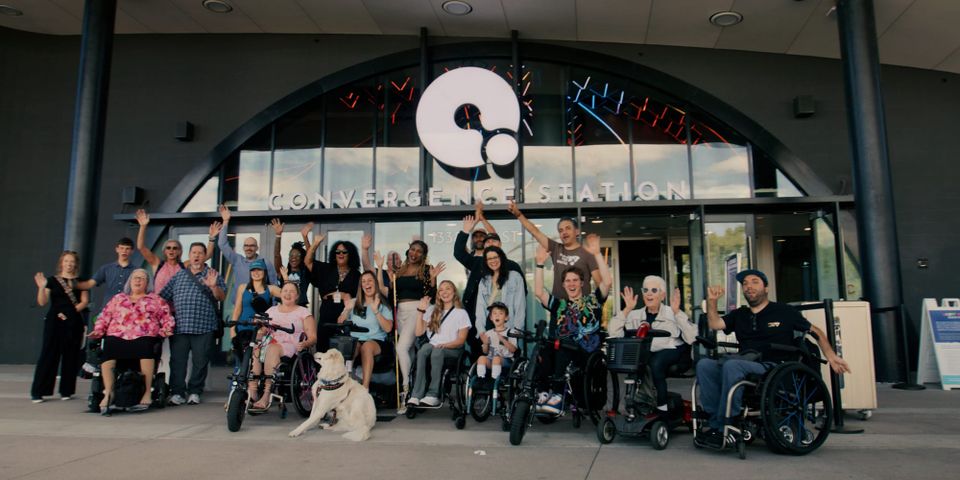
There is no doubt in my mind that the accessible travel industry has come a long way. From ramps to roll-in showers to beach wheelchairs to hotel access filters on websites, huge strides have been taken, with infrastructure and general awareness improving day by day.
But talk to just about any traveler who's disabled and they'll often refer back to one fundamental core component that is missing: community. It's hard to build and sure as hell easy to overlook. But get it right and you offer folks something powerful, a genuine sense of belonging, a place to nurture shared interests, springboard ideas, and get down to the nitty gritty when it comes to resolving obstacles.
This gap is exactly why I believe communities like my own, The World is Accessible, not only should exist, but need to exist.
"Travel, at its core, is a social act, built on shared stories and a little dose of borrowed confidence."
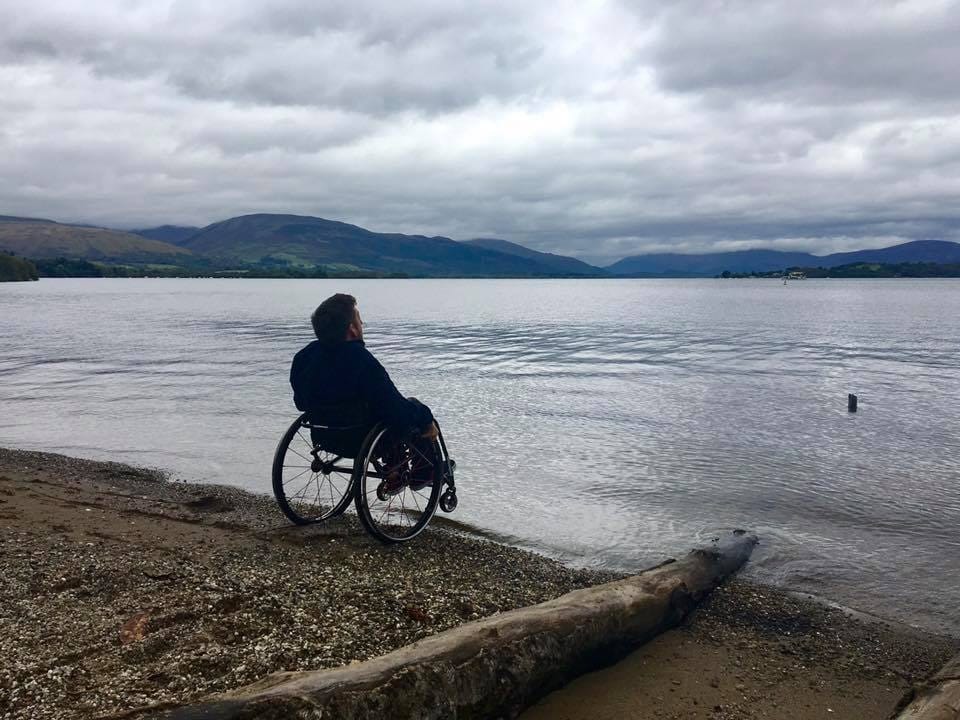
Do most people turn immediately to Google when planning their next trip? Some do, maybe. But I would say there are a large number of folks that first turn to friends, read personal blogs, scroll through photos on Instagram and see where real people have been and what they've done in various locations. They want to see and hear about lived experiences, and through this, build an honest picture of what it's like to visit a place. They're searching for that "here's what they don't tell you in the brochure" moment. Travel, at its core, is a social act, built on shared stories and a little dose of borrowed confidence.
Sadly, for folks with disabilities, that peer-to-peer layer of insight has been hard to come by. Sure, the information is out there, but it's scattered across forums and websites, buried in Facebook threads, and sometimes locked inside the heads of experienced travelers who have been there, done that, and even bought the T-shirt. It sometimes feels like the only thing missing is a gathering place where all of that knowledge can actually be shared and put to good use.
It's what drew me to building The World is Accessible, and it's what I also see reflected in projects that I know, trust, and admire, like tabifolk, founded by my friend Josh, who is also behind Accessible Japan. He's doing similar work in creating a safe space for travelers with disabilities to connect and share with one another, and our instincts are very much one and the same: community first.
Now, you've probably heard the trope before that most travel platforms treat accessibility as little more than a compliance issue. But the thing is, it's a stereotype largely because it's true. Accessibility becomes just a checklist, a buzzword that, if enough boxes get ticked, can be plastered across advertisements for a bit of positive PR. And even then, the question being answered is almost always a logistical one: can a wheelchair user get through the door? That matters, of course. It’s a step in the right direction, but it's nowhere near enough.
What rarely gets talked about are the emotional dimensions of accessible travel. The anxiety of not knowing what you're walking into, the sheer exhaustion of having to research every single detail before you can even think about enjoying a trip, and the inevitable discouragement that builds up every time you come across vague or just plain inaccurate information. As disabled people, we face uncertainty at almost every juncture, and it's frustrating to think that so many are navigating all of it without the kind of social support structure that able-bodied travelers so often take for granted.
And when the industry does turn its attention to our community, it tends to talk about us rather than to us. Which is exactly why phrases like "nothing about us, without us" carry so much weight. There really is no substitute for lived experience when it comes to accessible travel, and far too few platforms are built around the idea of actually tapping into that well of knowledge.
Inside The World is Accessible’ Facebook group, website, and newsletter, I'd like to think we're doing our bit to help change that. When a member shares honest, detailed information about a hotel in Lisbon that genuinely worked for them, and explains exactly why it did, that's not just some random polished copy written by someone who's never had to think twice about accessibility. It's actually real, nuanced, useful information that can help calm the nerves of someone else in the community and help them to plan their trip with a little more confidence. And a first-time flier nervous about traveling with a wheelchair doesn't just have to hope they stumble across the right article. They can get into the comments, ask questions, and hear back from people who have actually done it.
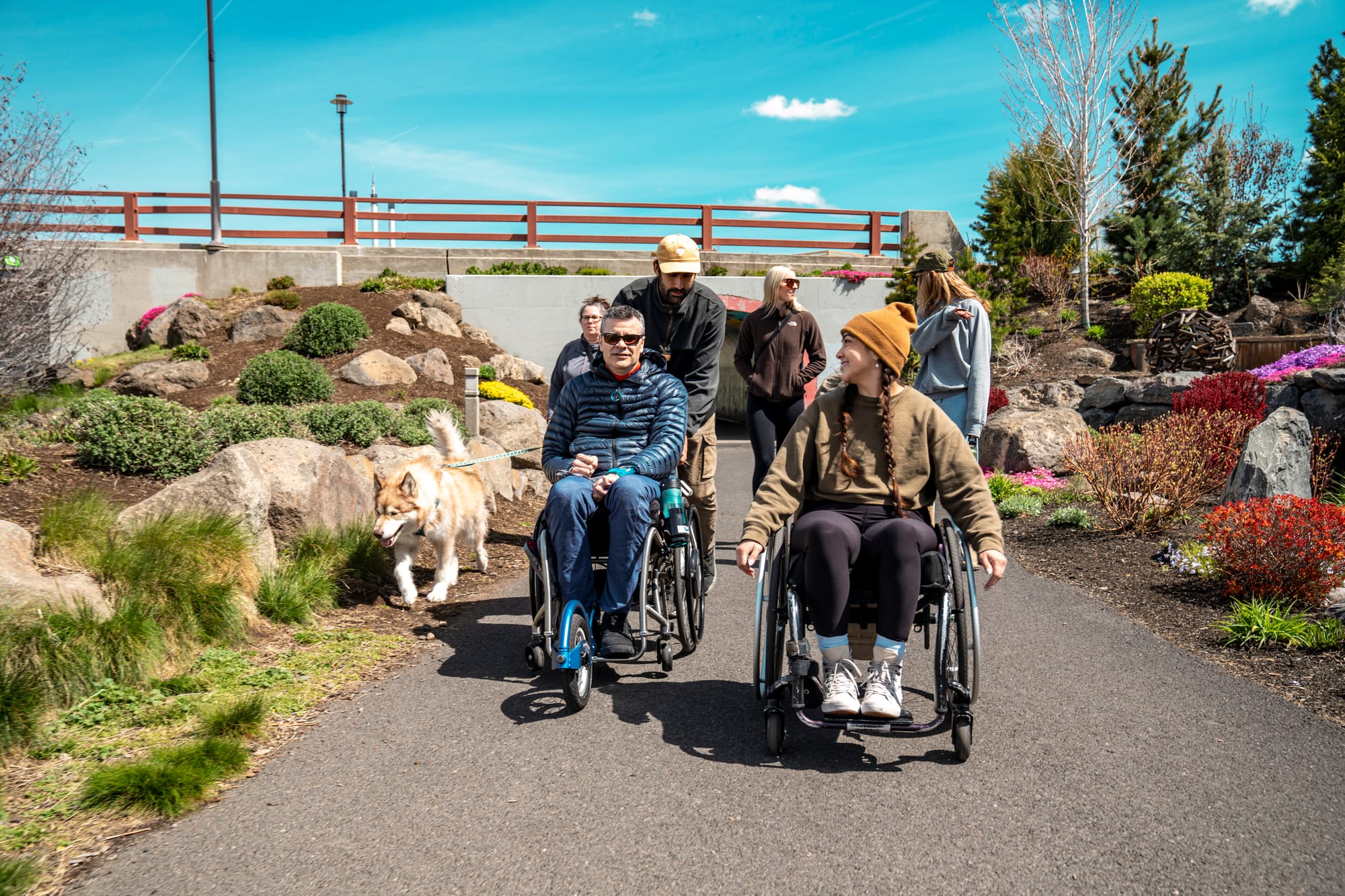
The conversation starts to shift from "can I even go there?" to something that sounds a lot more like "hang on, these people have actually been there, and here's exactly how they pulled it off." And that shift in thinking is no small thing. When someone genuinely starts to believe that a trip they'd written off might actually be within reach, that's a community doing what no checklist ever could.
"When someone genuinely starts to believe that a trip they'd written off might actually be within reach, that's a community doing what no checklist ever could."
And that's exactly what the newsletter has become, too. Just past its three year anniversary now, with almost 12,000 readers from all around the world, it started as a way to reach people a little more personally, and in many ways it still feels like that. People reply directly to it. They share their stories, flag opportunities, push back on things, ask questions. It no longer feels like we’re broadcasting into a void.
The open and retention rates back that up. People are staying and they're engaging, which tells me there's a genuine appetite for what we're putting out there. But beyond the numbers, what the newsletter has really become is a vehicle for the community itself. We share guest posts from members, shine a light on small creators, whether that's a YouTube channel, a podcast, someone doing interesting work in a corner of the internet we'd never have found otherwise. We've even had a Halloween special where members sent in photos of their costumes. It sounds small, but that kind of thing is exactly what belonging looks like in practice.
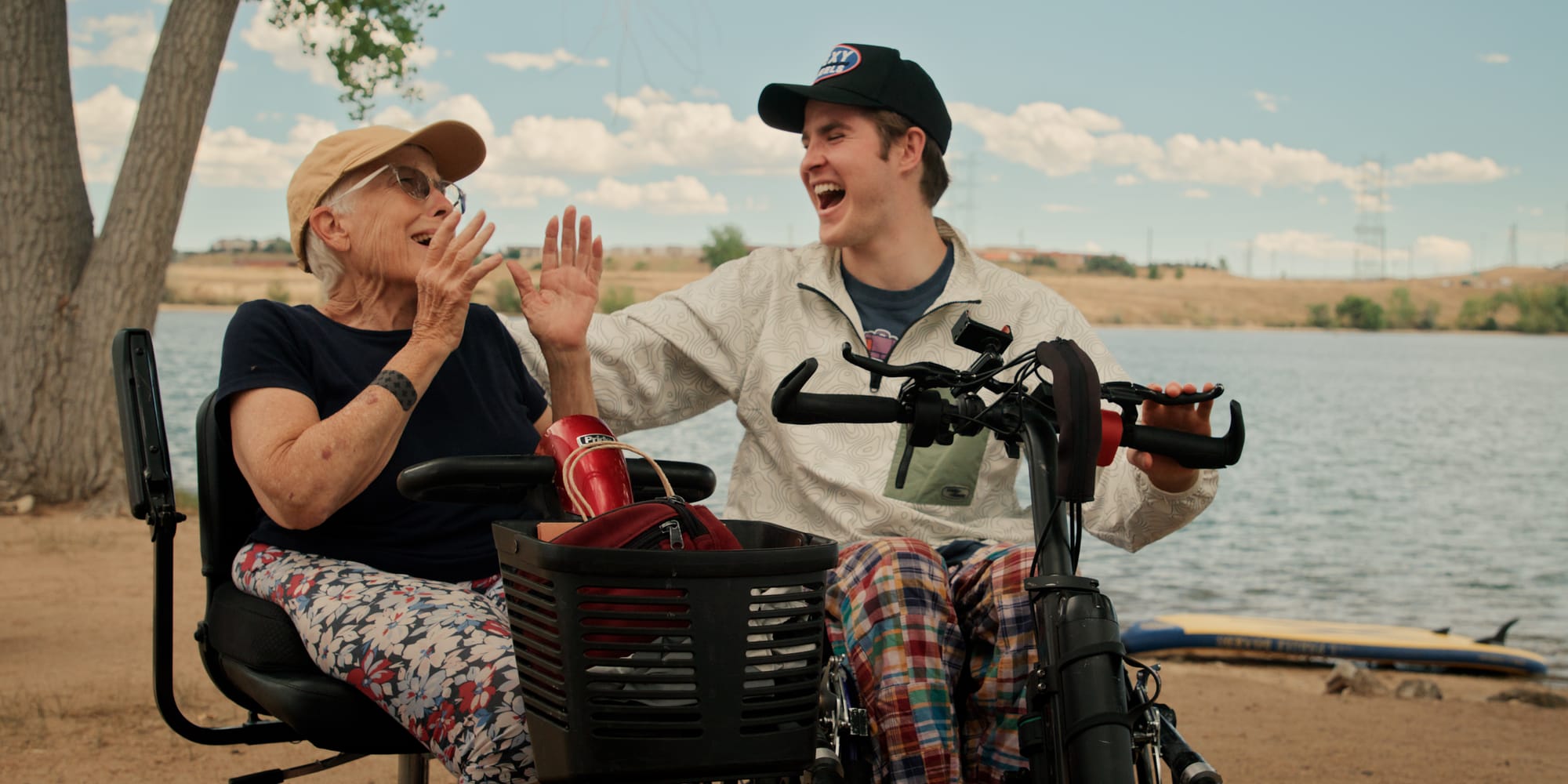
And we want to go further. The goal for The World is Accessible, across the group, the website, and the newsletter, is to become more community-centered, not less. Because if the industry is going to change, it's going to be pulled in that direction by communities like ours, by the weight of people who are done waiting to be included and have decided to build the thing themselves.
And finally, as the community structure we continue to build starts to take on a shape that looks like it might just stand the test of time, I’m also emboldened by the opportunities it can bring to do more good in the world. Just a couple of weeks ago, through contacts within our network, we were able to raise the distribution funds needed to get over 800 wheelchairs delivered to kids all across Uganda. That, for me, is what this is really all about. So while we grow in numbers, month by month, and we share our stories, and our advice, and our grievances, just know that we truly are building something meaningful, and that together, as collective community; whether that be The World is Accessible, Wheel the World, tabifolk, or any other entity out there operating within our space, we can make a difference on a multitude of levels some of us may not have deemed possible.
Travel with peace of mind through verified accessibility information
Explore hundreds of destinationsFrequently asked questions
Why is community important in accessible travel?
Community helps travelers with disabilities learn from real experiences shared by other travelers. While accessibility information can tell you whether a hotel has a roll-in shower or step-free entrance, community insights can provide details about what it was actually like to stay there, helping travelers make more informed decisions.
Where can travelers with disabilities find accessible travel advice?
Travelers with disabilities can find advice through online communities, social media groups, travel blogs, newsletters, and platforms that provide verified accessibility information. Join the two communities below, both great places to start. You can ask questions, meet fellow travelers, and share tips of your own.
What common challenges do travelers with disabilities face when planning a trip?
Many travelers with disabilities spend significant time researching accommodations, transportation, attractions, and accessibility features. Inaccurate or incomplete information can make planning stressful and create uncertainty about whether a destination will meet their needs.
How can verified accessibility information improve travel planning?
Verified accessibility information provides detailed measurements and facts about accommodations and attractions, helping travelers determine whether a destination matches their individual accessibility needs. This reduces guesswork and helps travelers book with greater confidence.
ADA laws are a great foundation, but it assumes that everyone has the same needs. But we know that accessibility needs are not one-size-fits-all, and detailed information helps travelers make the best decisions for their unique needs.
How does Wheel the World help travelers with disabilities?
Wheel the World provides detailed, verified accessibility information for hotels, attractions, and destinations. Travelers can search based on their specific needs and review accessibility details before booking, helping them travel with greater confidence and independence. Explore more here.

Comments ()